2026/03/07
The 3rd World Conference on Artificial Consciousness(Second Announcement)
The 3rd World Conference on Artificial Consciousness (3rd WCAC, WCAC 2026) will be held on March 20–21, 2026 at the International Conference Center, SZU South China Hospital, Shenzhen. Experts and scholars in the field of artificial consciousness from around the world will gather to participate in this grand event. This conference is initiated and hosted by the World Association Artificial Consciousness and the World Academy for Artificial Consciousness, and organized by Shenzhen University, the Computational Psychology and Cognitive Science Committee of the World Association Artificial Consciousness, and other supporting institutions. The conference will focus on interdisciplinary frontier topics, including artificial consciousness / machine consciousness, artificial intelligence and neuroscience, psychology and cognition, ethics and morality, intention economy, and social governance. It aims to build an internationally influential platform for academic exchange and human–machine collaboration. The conference will highlight the latest frontier issues in artificial consciousness and artificial intelligence research, foster a free and open academic atmosphere, and encourage in-depth and extensive exchanges and discussions.
The conference warmly welcomes scholars and professionals from academia and industry, both in China and abroad, in the fields of artificial consciousness, artificial intelligence, and related disciplines. Representatives from universities, research institutions, and industry are sincerely invited to attend the conference and jointly explore the development and practical applications of artificial consciousness and artificial intelligence. At the same time, the conference will also address discussions on the development trends and social significance of artificial consciousness, helping the public better understand the value and impact of artificial consciousness technologies and promoting the healthy and orderly development of this field.
I. Conference Theme
Fundamental Theories and Practical Exploration of Artificial Consciousness, and AI-Empowered Proactive Health Medicine
II. Time and Venue
Time: March 20–21, 2026 (Registration on March 20; full-day conference sessions on March 21; departure on March 22)
Venue: International Conference Center, SZU South China Hospital
Address: No. 1, Fuxin 1st Street, Pinghu Subdistrict, Longgang District, Shenzhen, Guangdong, China
III. Organizing Institutions
Hosts:
World Artificial Consciousness Association (WACA)
World Academy for Artificial Consciousness (WAAC)
Shenzhen University
Organizers:
SZU South China Hospital
Computational Psychology and Cognitive Science Committee, World Artificial Consciousness Association
Ethics and Safety Control Committee, World Artificial Consciousness Association
Co-organizers:
271 Education Group
Guangxi Artificial Intelligence Institute
Hululi Education
China International Association for Promotion of Science and Technology (CIAPST)
World Health Organization Academy of Traditional Medicine Sciences
Supporting Organizations:
Qingdao Affective Computing Laboratory
Mu’en Artificial Intelligence
Sanhao Education
Beijing Beisoft Rongzhi Digital Technology Co., Ltd.
Family Education Psychology Committee, Chinese Psychological Society
Marriage and Family Psychology Committee, Chinese Association of Social Psychology
Medical and Elderly Care Health Industry Committee, China Population Welfare Foundation
Committee on Digital Intelligence for Social Psychological Services, Shandong Big Data Research Association
Artificial Intelligence Psychology Committee, Shandong Psychological Association
Blockchain Industry Promotion Branch, China Private Industrialists Association
Applied Observation
Neusoft Corporation
(More organizations to be added.)
Conference Title Sponsor:
QuanShi Ecosystem
DIKWP International Team
Honorary Chairs of the Conference:
Jingnan Liu、Robert Lawrence Kuhn、Seeram Ramakrishna
General Chairs of the Conference:
James J. Heckman、Jack J. Dongarra
Executive Chairs of the Conference:
Song Wu, Xiangdong Xiao, Lizhong Li
Conference Advisory Committee:
Chairs: Zhen Liu, Momiao Xiong
Members: Yongmou Liu, Erxiang Dou, Yongduan Song, Weiwen Duan, Yucong Duan, Fuyong Jiao, Chunhui Wang, Huaping Wang, Hengwei Li, Qinxi Dong, Yixin Zhong, Guanghui Fan, Yu Feng, Hongjun Li, Zhongzhi Shi, Licheng Jiao, Shuoyan Li, Wantao Chen, Wei Liu, James Ong, Xiangqun Chen, Weimin Zheng, Jiajia Yang, Xifan Yao, Delong Shang, Yuansheng Guo, Zhongdao Wu, Lizhong Li, Hengjin Cai, Yun Li, Xuan Liu, Zhendong Xie
Academic Committee:
Chairs: Xueji Zhang, Yucong Duan
Vice Chairs: Christopher A. Pissarides, May-Britt Moser, Binxiang Jiang
Members: Seeram Ramakrishna, Yingbo Li, Yuansheng Guo, Huiyu Zhou, Wei Liu, Hejun Xu, Yuanhui Fu, Zhendong Xie, Wantao Chen, Erxiang Dou, Mianmao Zhu, Hengjin Cai, etc.
Organizing Committee:
Chairs: Guanghui Fan, Binxiang Jiang
Vice Chairs: Xinlan Zhu, Fengping Zhao, Jucheng Yang, Qifang Lei, Liang Yang, Yong Xiong
Members: Xinyue Cao, Hao Wang, Zhendong Guo, Xinlai Yang, Yingtian Mei, Alhaji Adam Abubakari, Songsong Li, Mingjian Gao, Guocun Zhang, Fanmin Meng, Gaozhongyang Chai, Peng Li, Hongbin Zhang, Qianli Han, Xiaotong Ma, Fengyun Chen, Minghao Wang, Shuaishuai Huang, Shiming Gong, Zeshi Chu, etc.
IV. Conference Program
The conference will include the opening ceremony, keynote speeches, special sessions, parallel forums, roundtable dialogues and seminars, as well as other related academic activities.
(I) Opening Ceremony and Keynote Speeches
Top experts, including winners of major international awards, academicians from China and abroad, and other leading scholars, will be invited to deliver keynote presentations on the fundamental theories, technological breakthroughs, and cross-disciplinary applications of artificial consciousness and artificial intelligence. Important industry achievements and initiatives will also be officially released.
(II) Special Sessions
Focusing on the core directions of innovation in the fundamental theories of artificial consciousness, breakthroughs in technology research and development, and cross-disciplinary integrated applications, the conference will invite Chinese and international academicians, Nobel laureates, Turing Award winners, leading scholars, and industry pioneers to give special presentations on key topics including the DIKWP (Data, Information, Knowledge, Wisdom, Purpose) model and the underlying architecture of artificial consciousness, high-performance computing for the development of artificial consciousness, proactive medicine and clinical applications of artificial consciousness, artificial-consciousness-enabled digital economy and smart industries, legal governance and ethical norms for artificial consciousness, and interdisciplinary research on mental health and artificial consciousness.
(III) Parallel Forums
A number of high-level parallel forums will be organized, covering such areas as proactive medicine and artificial consciousness, the economics of artificial consciousness, law and artificial consciousness, legal governance of artificial intelligence, interdisciplinary research on mental health, and education empowerment. Renowned academics, industry leaders, and policy experts will be invited to engage in in-depth discussions.
During the conference, the Annual Working Meeting of the World Artificial Consciousness Association and an Academic Achievements Exhibition will also be held.
V. Conference Schedule
Saturday, March 21, 2026 Artificial Consciousness and Applications Exploration Day | |
Morning Session, 08:00–12:00, March 21 | |
Time | Program |
Opening Session Moderators: Alhaji Adam Abubakari (English) and Xiaotong Ma (Chinese) | |
08:00-08:05 | Introduction of Guests by the Moderators |
08:05-08:15 | Opening Remarks |
Xueji Zhang: Member of the Standing Committee of the CPC Shenzhen University Committee; Vice President of Shenzhen University; Foreign Academician of the Russian Academy of Engineering; Fellow of the American Institute for Medical and Biological Engineering (AIMBE); Head of the National Talent Evaluation Inspection Group of the Central Organization Department. Yucong Duan: Honorary Academician and President of the World Academy for Artificial Consciousness (WAAC); Chairman of the World Association Artificial Consciousness (WACA). Remarks by the Leadership of SZU South China Hospital Fengping Zhao: Chief Principal of 271 Education Group. Jucheng Yang: President of the Guangxi Artificial Intelligence Institute; President of the Nanning Research Institute, Guilin University of Electronic Technology. Binxiang Jiang: Professor and Dean of the Institute of Computational Psychology, Shandong University; Vice Chairman of the World Association Artificial Consciousness; Chair of the Committee on Computational Psychology and Cognitive Neuroscience. | |
| Group Photo |
Keynote Speech (Morning) Moderator: Xueji Zhang, Member of the Standing Committee of the CPC Shenzhen University Committee; Vice President of Shenzhen University; Foreign Academician of the Russian Academy of Engineering; Fellow of the American Institute for Medical and Biological Engineering (AIMBE); Head of the National Talent Evaluation Inspection Group of the Central Organization Department. | |
08:30-09:30 | Keynote Speech: AI Facilitates: Causality and Mechanism in Social Sciences and Economics (Tentative) James J. Heckman: Recipient of the 2000 Nobel Prize in Economic Sciences; WAAC Academician; Henry Schultz Distinguished Service Professor of Economics at the University of Chicago; founding pioneer of microeconometrics. |
09:30-10:30 | Keynote Speech: High Performance Computing Changing the World Jack J. Dongarra: Recipient of the 2021 ACM A.M. Turing Award; Emeritus Research Professor in the Department of Electrical Engineering and Computer Science at the University of Tennessee; Distinguished Research Staff at Oak Ridge National Laboratory; Turing Fellow at the University of Manchester; and Adjunct Professor at Rice University. |
10:30-10:40 | Coffee Break |
Keynote Speech (Morning) Moderator: Xueji Zhang, Member of the Standing Committee of the CPC Shenzhen University Committee; Vice President of Shenzhen University; Foreign Academician of the Russian Academy of Engineering; Fellow of the American Institute for Medical and Biological Engineering (AIMBE); Head of the National Talent Evaluation Inspection Group of the Central Organization Department. | |
10:40-11:20 | Keynote Speech: Nature of Artificial Consciousness? Seeram Ramakrishna: Foreign Member of the Chinese Academy of Engineering; Fellow of the Royal Academy of Engineering (UK); Fellow of the Academy of Engineering, Singapore; Fellow of the American Institute for Medical and Biological Engineering (AIMBE); and Chair Professor at Tsinghua University. |
11:20-11:50 | Keynote Speech: Relational Emergence and the Origin of Life Daiming Fan: Member of the Chinese Academy of Engineering; International Member of the U.S. National Academy of Medicine; International Member of the French National Academy of Medicine; and International Member of the Brazilian National Academy of Medicine. |
11:50-12:00 | Keynote Speech: Evaluation and Implementation of Artificial Consciousness Based on the DIKWP Model Yucong Duan: Honorary Academician and President of the World Academy for Artificial Consciousness (WAAC); Chairman of the World Association Artificial Consciousness (WACA). |
12:00–13:30 Lunch | |
Parallel Keynote Speech Ⅰ (Afternoon) Moderators: Alhaji Adam Abubakari (English) and Xiaotong Ma (Chinese) | |
13:30-14:00 | Keynote Speech: Advances in Spatiotemporal Intelligence Research Member of the Chinese Academy of Engineering; expert in geodesy and satellite navigation; Professor and former President of Wuhan University. |
14:00-14:30 | Keynote Speech: Intelligent Sensors, Brain+ , Digital Life , Artificial Consciousness——Progress and Problem Xueji Zhang: Member of the Standing Committee of the CPC Shenzhen University Committee; Vice President of Shenzhen University; Foreign Academician of the Russian Academy of Engineering; Fellow of the American Institute for Medical and Biological Engineering (AIMBE); Head of the National Talent Evaluation Inspection Group of the Central Organization Department. |
14:30-14:40 | Keynote Speech (Online): Choices for Humanity in the Age of AI WAAC Academician; historian, philosopher, and author; Professor of History at the Hebrew University of Jerusalem; Distinguished Research Fellow at the Centre for the Study of Existential Risk, University of Cambridge; author of the Sapiens Trilogy and Nexus. |
14:40-15:00 | Keynote Speech: Linking the Brain with Machines Using Brain-Computer Interfaces Gerwin Schalk: WAAC Academician; Director of the Chen Frontier Lab for Applied Neurotechnology. |
15:00-15:20 | Keynote Speech: Digital Intelligent Conscious Beings Wlodzislaw Duch (Online): WAAC Academician; head of the Neurocognitive Laboratory at ICNT, Nicolaus Copernicus University; former Deputy Minister of Science and Higher Education of Poland; INNS Fellow; and member of multiple committees of the Polish Academy of Sciences (PAN) and the Polish Academy of Arts and Sciences (PAU). |
15:20-15:35 | Keynote Speech: Can an AI's Consciousness be Inferred from its Behaviour? WAAC Academician; Executive Editor of the Journal of Artificial Intelligence and Consciousness; and a frequent organizer/co-organizer of AAAI-related workshops on artificial intelligence and consciousness. |
15:35-15:50 | Keynote Speech: Proactive Medicine: A Call for Human Health Guanghui Fan: Professor at Shenzhen University; Co-Chair of the Proactive Health Committee of WACA. |
15:50-16:05 | Keynote Speech: Silicopathy: A Developmental Architecture of Pain, Empathy, and Trust for Virtuous Social Robots Minoru Asada (Online): WAAC Academician; IEEE Fellow; Professor Emeritus of Osaka University; International Professional University of Technology in Osaka. |
16:05-16:25 | Keynote Speech: AI Consciousness and the Robot Internal Model Antonio Chella (Online): WAAC Academician; Professor of Robotics in the Department of Engineering at the University of Palermo; Director of the RoboticsLab; former Director of the Interdepartmental Center for Knowledge Technologies (CITC); and former Director of the Department of Computer Engineering (DINFO). |
16:25-16:35 | Keynote Speech: Neural Information Decoding for Brain–Computer Interface Applications Xiao Zhang: Tenured Professor at Harbin Institute of Technology. |
16:35-16:45 | Keynote Speech: Soil Carbon, Food Security and Planetary Stewardship: Soil-Centric Pathways for a Sustainable Intelligent Earth Rattan Lal (Online): WAAC Academician; member of the National Academy of Agricultural Sciences, India; honorary member of the Academy of Sciences of Moldova; and member of Academia Europaea. |
16:45-16:50 | Keynote Speech: The Eye’s Mind in Memory and Imagination Adam Zeman (Online): WAAC Academician; professor; recipient of British Academy-related honors and book awards. |
16:50-17:00 | Keynote Speech: Consciousness and Its Three Stages of Processing Ezequiel Morsella (Online): WAAC Academician; Professor of Psychology at San Francisco State University. |
17:00-17:10 | Keynote Speech: Embodied Intelligence and Humanoid Robots Wenhua Zhu: Pujiang Scholar; professor and doctoral supervisor; Deputy Secretary-General of the Mechanical and Equipment Division, China Technology Institute; foreign member of the Russian Academy of Natural Sciences. |
17:10-17:20 | Keynote Speech: The Inverse Hard Problem of Consciousness: How Consciousness Gives Rise to Matter? Simon Duan: Adjunct Professor at Sofia University, California; Founder and CEO of Metacomputics Labs, UK. |
17:20-17:30 | Keynote Speech: Research, Applications, and Development of Medical Knowledge Graphs Yi Zhou: Deputy Director of the Engineering Research Center for Biomedical Big Data, Ministry of Education; Vice Dean of the National Institute of Health and Medical Big Data, Sun Yat-sen University; Chair of the Medical Informatics Branch of the Guangdong Medical Association. |
17:40-17:50 | Keynote Speech: AI-Driven Artificial Intimate Relationships and Their Socio-Emotional Alignment Weiwen Duan: Research Fellow at the Center for AI Research and Development, Chinese Academy of Social Sciences. |
17:50-18:00 | Keynote Speech: Artificial Consciousness: A Necessary Frontier towards AI for Humanity James Ong: Ph.D.; Founder and President of the AIII International Institute of Artificial Intelligence. |
18:00-18:10 | Demonstration: Cognitive Alignment and Scenario Robustness Verification Based on DIKWP×DIKWP Interactive Modeling: A Precision Enhancement Solution for General Large Models Targeting Attention Drift, Intent Inconsistency, and Context Dilution Huaichuan Li: Tianxing Technology Development Co., Ltd. |
13:30–17:00, Saturday, March 21, 2026 | |
Parallel Forum 1: Proactive Medicine and Artificial Consciousness Organizer: Fuyong Jiao, Chair of the China Proactive Medicine Committee of WACA; Director of the International Exchange Center of the SCO Hospital Cooperation Alliance. Moderator: Hongping Zhong, Vice Chair of the China Proactive Medicine Committee of WACA; Yan’an University Affiliated Hospital. | |
13:30-17:00 | Presentation 1: The Future and Development of Proactive Medicine in China Hongping Zhong: Vice Chair of the China Proactive Medicine Committee of WACA; Yan’an University Affiliated Hospital. |
Presentation 2: The Past, Present, and Future of Proactive Medicine Fuyong Jiao: Chair of the China Proactive Medicine Committee of WACA; Director of the International Exchange Center of the SCO Hospital Cooperation Alliance. | |
Presentation 3: The Current Status and Challenges of Proactive Medicine Haotian Xu: Secretary of the China Proactive Medicine Committee of WACA; Heyang County People’s Hospital, Shaanxi Province. | |
Parallel Forum 2: Economics of Artificial Consciousness Organizer and Moderator: Danxia Xie, Doctoral Supervisor, Institute of Economics, School of Social Sciences, Tsinghua University; Vice Chairman of WACA. | |
13:30-17:00 | Presentation 1: The Human Brain, Innovation, and Growth Buyuan Yang: Assistant Professor at the School of International Trade and Economics, Central University of Finance and Economics. |
Presentation 2: General Theory of the Digital Intelligent Economy Xinyu Zhang: Researcher at the Institute of Computing Technology, Chinese Academy of Sciences. | |
Presentation 3: Intelligent Agents and Public Health Governance Zeyu Wang: Expert in a related field at the Working Committee for the Care of the Next Generation. | |
Presentation 4: Artificial Consciousness: An Economic Approach Danxia Xie: Doctoral Supervisor, Institute of Economics, School of Social Sciences, Tsinghua University; Vice Chairman of WACA. | |
Parallel Forum 3: Law and Artificial Consciousness Organizer: Quanlai Cao, Professor and Dean of the School of Law, Changzhou University; Chair of the Law and Artificial Intelligence Committee of WACA. Moderator: Haixi Ni, Ph.D., Wuhan University of Technology. | |
13:30-17:00 | Presentation 1: Legal Artificial Intelligence and the Development of China’s Digital Courts Quanlai Cao: Professor at the Shiliang Law School, Changzhou University; Dean of the Institute of Digital Justice; Chair of the Law and Artificial Intelligence Committee of WACA. |
Presentation 2: Conflicts Between Intelligent Criminal Prediction and Judicial Adjudication, and Their Coordination Zhenwen Han: Associate Professor at the School of Law, Zhejiang Gongshang University; Visiting Professor at the Shiliang Law School, Changzhou University; Visiting Research Fellow at the School of Law, National University of Kaohsiung; Visiting Scholar at the Department of History, Fudan University. | |
Presentation 3: Opportunities and Challenges of Legal AI Technology for Legal Practice Wei Wang: Senior Research Fellow at the Institute of Digital Legal Science, Changzhou University; Partner Lawyer at Beijing Dingyin Law Firm. | |
Presentation 4: On the Principle of Integrated Protection for Human–AI Interaction Data Haiwei Lin: Lecturer at the School of Law, China Women’s University; Ph.D., Wuhan University; Postdoctoral Fellow at the Criminal Justice School, China University of Political Science and Law. | |
Parallel Forum 4: Legal Governance of Artificial Intelligence Organizer: Mianmao Zhu, Member of the CPC Committee of Hainan Open University; Director of Publicity and United Front Work; Professor; Doctoral Supervisor; Vice Chairman of WACA; Vice President of the International Economic Law Research Society of the China Law Society. | |
13:30-17:00 | Roundtable Discussion Topic: Roundtable Forum on the Legal Governance of Artificial Intelligence Moderator: Mianmao Zhu, Vice President of the International Economic Law Research Society of the China Law Society; Member of the CPC Committee of Hainan Open University; Director of Publicity and United Front Work; Professor; Doctoral Supervisor. Invited Experts: Ying Liu: Jinan University; Professor; Doctoral Supervisor; UN expert on drafting AI contracts. Ping Zhang: Vice President of the Intellectual Property Law Research Society of the China Law Society; Vice President of the China Science and Technology Law Society; Director of the Center for AI Safety Governance, Peking University; Professor; Doctoral Supervisor. Xuguang Song: Vice Dean of the Law School, Shenzhen University; Professor; Doctoral Supervisor; Vice Dean of the Institute of Law and Technology. Zhi Zhenfeng: Director of the Research Office on Xi Jinping Thought on the Rule of Law, Institute of Law, Chinese Academy of Social Sciences (CASS); Research Fellow and PhD Supervisor. National “Ten Thousand Talents Program” Leading Talent in Philosophy and Social Sciences. Recipient of the State Council Special Government Allowance; Legal Advisor to the Cyberspace Administration of China (CAC). Bin Li: Chairman of Guizhou Zhikeyun Investment Co., Ltd.; Vice President of the Guizhou Doctors Association; Dean of the School of Information Engineering, Guizhou Food Engineering Vocational College; Executive President of the China–U.S. Silicon Valley Development Promotion Association; Co-Chair and Secretary-General of the Global Alliance of Academicians, Experts and Doctors; former Standing Committee Member of the Guizhou Association for Science and Technology. |
Parallel Forum 5: Interdisciplinary Research and Practice in Artificial Consciousness and Mental Health Organizer: Binxiang Jiang, Ph.D., Doctoral Supervisor, Professor and Dean of the Institute of Computational Psychology, Shandong University; Vice Chairman of WACA; Chair of the Committee on Computational Psychology and Cognitive Science. Moderator: Qianli Han, Ph.D. candidate, School of Psychology, Shandong Normal University; Chairman of Hululi Education Group. | |
13:30-17:00 | Presentation 1: Digital Mental Health and Intelligent Generation: An Interdisciplinary Perspective from Computational Positive Psychology Shiguang Ni: Professor at Tsinghua Shenzhen International Graduate School, Tsinghua University. |
Presentation 2: Inheritance and Transformation of Research Paradigms in Cognitive Science from a Computational Perspective Taicheng Huang: Ph.D., Shanghai Mental Health Center, Shanghai Jiao Tong University School of Medicine; Young Editorial Board Member of Psychoradiology; Young Editorial Board Member of Journal of Integrative Neuroscience. | |
Presentation 3: Research on Employee Behavioral Risk Identification Models and Technologies Kai Yu: Ph.D., Associate Professor and Master’s Supervisor, College of Safety and Environmental Engineering, Shandong University of Science and Technology; Secretary of the Safety Specialty Committee of the China Engineering Education Accreditation Association; Deputy Secretary-General of the Youth Working Committee of the China Occupational Safety and Health Association. | |
Presentation 4: Research on AI-Driven Digital Art Psychotherapy for Alzheimer’s Disease Ming Xu: Ph.D., Director of Teaching and Research Section, School of Culture, Tourism, Health Care and Education, Dongying Vocational College; International Music Psychotherapist; Chair of the Dongying Mental Health and Healing Committee, China Vocational Education Society. | |
Presentation 5: A Digital-Intelligent Sports Support System Based on Physical and Mental Development Fengyun Chen: General Manager of Beijing Beisoft Rongzhi Digital Technology Co., Ltd. | |
Presentation 6: Exploration of Psychological Intervention through AI Virtual Humans Minghao Wang: Researcher at the Center for Positive Psychology, Tsinghua University; Deputy Director of the Student Mental Health Service Promotion Program, China Campus Health Action; CTO of Situ Scenario. | |
Presentation 7: Research on AI-Empowered Healing Applications through Household Organization Gaozhongyang Chai: Key Laboratory of AI Psychology, Fudan University Wuxi Research Institute; Researcher in Professor Binxiang Jiang’s AI + Writing Therapy Research Group; Researcher in Professor Binxiang Jiang’s AI + Household Therapy Research Group. | |
Parallel Forum 6: Embodied Intelligence and the Theory and Practice of Robotics Organizer: Binxiang Jiang, Ph.D., Doctoral Supervisor, Professor and Dean of the Institute of Computational Psychology, Shandong University; Vice Chairman of WACA; Chair of the Committee on Computational Psychology and Cognitive Science. Moderator: Xuenan Liu, Chief Engineer of Shenzhen Guixu Robotics Co., Ltd. | |
13:30-17:00 | Presentation 1: Research Progress in the Industrialization of Embodied Intelligence Xuenan Liu: Chief Engineer of Shenzhen Guixu Robotics Co., Ltd. |
Roundtable Discussion Topic: Roundtable Forum on the Theory and Practice of Embodied Intelligence and Robotics Moderator: To be chaired by an invited distinguished scholar Invited Experts: Renowned domestic and international scholars in embodied intelligence and robotics theory, as well as industry experts, will be invited to participate in the discussion | |
Parallel Forum 7: BCI and the Theory and Practice of Brain–Computer Interface Interaction Organizer: Binxiang Jiang, Ph.D., Doctoral Supervisor, Professor and Dean of the Institute of Computational Psychology, Shandong University; Vice Chairman of WACA; Chair of the Committee on Computational Psychology and Cognitive Science. Moderator: Bang Li, Neuracle Technology (Shanghai) Co., Ltd. | |
13:30-17:00 | Presentation 1: Multimodal Biofeedback Technology Mingjian Gao: Ph.D. candidate, Faculty of Health and Wellness, City University of Macau. |
Presentation 2: Key Technologies of the Implantable Brain–Computer Interface System (NEO) Bang Li: Neuracle Technology (Shanghai) Co., Ltd. | |
Roundtable Discussion Topic: Roundtable Forum on BCI and the Theory and Practice of Brain–Computer Interface Interaction Moderator: To be chaired by an invited distinguished scholar Invited Experts: Renowned scholars from China and abroad in BCI and interaction theory research, as well as industry experts, are specially invited to join the discussion. | |
Parallel Forum 8: Artificial Intelligence Education Organizers: Peng Li and Hongbin Zhang, Sanhao Education Moderator: Jianhua Li, Chief Principal of Shanghe Hongde Education Group | |
13:30-17:00 | Presentation 1: How Should Education Adapt and Transform in the Age of Artificial Intelligence? Fengping Zhao: Chief Principal of the Shandong 271 Education Group. |
Presentation 2: Advances in Educational Neuroscience Research Aihua Cao: Ph.D., Chief Physician at Qilu Hospital of Shandong University. Zhifeng Cai: Ph.D., Associate Chief Physician at Qilu Hospital of Shandong University. | |
Presentation 3: AI-Empowered Homework Analysis and Examination Analysis Xingqiang Pan: Senior Engineer at Sanyan Education Technology. | |
Roundtable Discussion Topic: Adaptive Transformation of Teaching and Learning in the Age of Artificial Intelligence Moderator: Dayong Lü, Sanyan Education Technology. Invited Experts: Binxiang Jiang: Professor at the Institute of Computational Psychology, Shandong University. Aihua Cao: Chief Physician at Qilu Hospital of Shandong University. Fengping Zhao: Chief Principal of the Shandong 271 Education Group. Jianhua Li: Chief Principal of Shanghe Hongde Education Group. | |
Parallel Forum 9: Computing Power Drives Innovation, Intelligence Creates the Future Organizer and Moderator: Jack J. Dongarra, recipient of the 2021 ACM A.M. Turing Award; Emeritus Professor in the Department of Electrical Engineering and Computer Science at the University of Tennessee; Distinguished Research Staff at Oak Ridge National Laboratory; Turing Fellow at the University of Manchester; Adjunct Professor at Rice University. | |
13:30-17:00 | Topic: Computing Power Drives Innovation, Intelligence Creates the Future Format: Closed-Door Meeting |
Parallel Forum 10: The Physical Foundations of Artificial Consciousness Organizer and Moderator: Hengjin Cai, Professor in the School of Computer Science, Wuhan University; Vice Chair of the Mind Computing Committee of the Chinese Association for Artificial Intelligence; Chief Scientist of China Bester Group Telecom Co., Ltd.; Chairman of Wuhan Dagong Intelligent Technology Co., Ltd. | |
13:30-17:00 | Presentation 1: On Machine Consciousness: Mathematical and Philosophical Issues of Artificial General Intelligence Chenjun Lü: Research Fellow and Deputy Secretary-General of the Nie Rongzhen Education Promotion Association. |
Presentation 2: The Light-Like Nature and Twistors of Consciousness: Two Mathematical–Physical Models Yingrui Yang: Associate Professor with tenure in the Department of Cognitive Science, Rensselaer Polytechnic Institute (RPI), USA. | |
Presentation 3: An Axiomatic Theory of Consciousness Bojin Zheng: Associate Professor at South-Central Minzu University. | |
Presentation 4: The Cradle of Consciousness: Neural-Network Imagery in Natural Computing Daiyong Huang and Taiqing, the Singularity O Digital Scholar: Founders of the Singularity O Forum. | |
Presentation 5: On the “Embodiment Paradox” of Embodied Intelligence Zhen Li: Professor at Sun Yat-sen University. | |
Presentation 6: The Spatiotemporal Nonlocality of Consciousness Tianqi Cai and Hengjin Cai: Associate Professor at the School of Innovation, Hubei Institute of Fine Arts; Professor at the School of Computer Science, Wuhan University. | |
Presentation 7: A Rebuttal to “There Is No Such Thing as Conscious Artificial Intelligence” Hengjin Cai and Tianqi Cai: Professor at the School of Computer Science, Wuhan University; Associate Professor at the School of Innovation, Hubei Institute of Fine Arts. | |
Parallel Forum 11: Ethics and Safety of Artificial Consciousness Organizer and Moderator: Lizhong Li, Vice Chairman of WACA; Academician of the World Academy of Productivity Science; Life Fellow of the Royal Society of Arts; Academician of the Academy of Social Sciences of Canada; Visiting Professor at Columbia University; Member of the Academicians Committee on Global Leadership and Technological Innovation of the United Nations Organization for Sustainable Development. Interim Moderator: Hui Li, Professor Emeritus at Peking University Shenzhen Graduate School; Director of the Future PKU Innovation Center, a national major scientific infrastructure; Director of the Joint Laboratory for Sovereign & Trustworthy Internet of Peking University Shenzhen Graduate School and China Mobile. | |
13:30-17:00 | Presentation 1: How to Build a Highly Secure Network Platform for Stablecoins and RWA Hui Li: Professor Emeritus at Peking University Shenzhen Graduate School; Director of the Future PKU Innovation Center, a national major scientific infrastructure; Director of the Peking University–China Mobile Joint Laboratory for Sovereign and Trustworthy Internet. |
Presentation 2: A Foundational Framework for the Safety and Ethics of Artificial Consciousness Lizhong Li: Vice Chairman of WACA; Academician of the World Academy of Productivity Science; Life Fellow of the Royal Society of Arts; Academician of the Academy of Social Sciences of Canada; Visiting Professor at Columbia University; Member of the Academicians Committee on Global Leadership and Technological Innovation of the United Nations Organization for Sustainable Development. | |
Presentation 3: Constructing Pathways for Data for Good from the Perspective of Eastern Philosophy Chunhui Wang: Chief Expert for Decision-Making Consultation of the China Association for Science and Technology; Member of the Expert Committee on Information and Communications Economy of the Ministry of Industry and Information Technology; Deputy Director of the Academic Committee of the China Behavioral Law Society and Director of its Network and Data Law Research Division. | |
Presentation 4: The Causes and Operating Mechanisms of Life Consciousness Siwen Bi: Innovative Researcher and Doctoral Supervisor at the Institute of Remote Sensing and Digital Earth, Chinese Academy of Sciences; Academician of the Russian Academy of Natural Sciences, the International Eurasian Academy of Sciences, and the Academy of Sciences of the United Nations. | |
Presentation 5: Ethical Reflections on Artificial Consciousness and Countermeasures Xianping Ding: Renowned Chinese life scientist and bioethics expert; currently Academician of the Russian Academy of Natural Sciences, the European Academy of Natural Sciences, the World Academy of Productivity Science, and the National Academy of Sciences of Bolivia. | |
Invited Experts: Lizhong Li, Hui Li, Siwen Bi, Chunhui Wang, and Xianping Ding | |
Parallel Keynote Speech ⅠⅠ (Afternoon) Moderators: James J. Heckman (English) and Xiaotong Ma (Chinese) | |
13:30-13:45 | Keynote Speech: Safety Governance and Economic Ethics of Artificial Consciousness Lizhong Li: Vice Chairman of WACA; Academician of the World Academy of Productivity Science; Life Fellow of the Royal Society of Arts; Academician of the Academy of Social Sciences of Canada; Visiting Professor at Columbia University; Member of the Academicians Committee on Global Leadership and Technological Innovation of the United Nations Organization for Sustainable Development. |
13:45-13:55 | Keynote Speech: Proactive Medicine Promotes the High-Quality Development of Traditional Chinese Medicine Yu Feng: Academician of the International Academy of Science and Technology; Vice President of the Zhongjianke (Beijing) Institute of Traditional Chinese Medicine; Executive Chair of the Proactive Medicine Committee of WACA. |
13:55-14:05 | Keynote Speech: Social Life Theory and Consensus on Artificial Intelligence Erxiang Dou: Professor at the School of Software and Microelectronics, Peking University. |
14:05-14:15 | Keynote Speech: From Single Cells to Digital Existence: The Evolutionary Logic of Final Causation and the Order Reconstruction of Artificial Consciousness Hengjin Cai: Academician of the International Academy of Advanced Technology and Engineering; Professor at Wuhan University. |
14:15-14:25 | Keynote Speech: Opportunities and Challenges for the Sensor Industry in the 15th Five-Year Plan Period Yuansheng Guo: Academician of the National Academy of Artificial Intelligence, USA; Fellow of the Royal Society of Medicine (UK), etc. |
14:25-14:35 | Keynote Speech: Research Progress on Artificial Consciousness Models in Biodynamics Yuanhui Fu: Corresponding Academician of the International Academy of Ecology and Life Protection Sciences (UN). |
14:35-14:45 | Keynote Speech: Constructing Masterpieces from Missing Pieces Huiyu Zhou: Professor in the School of Computing and Mathematical Sciences, University of Leicester. |
14:45-14:55 | Keynote Speech: The Human Body and Soul Consciousness at the Quantum Scale Siwen Bi: Innovative Researcher and Doctoral Supervisor at the Institute of Remote Sensing and Digital Earth, Chinese Academy of Sciences; Academician of the Russian Academy of Natural Sciences, the International Eurasian Academy of Sciences, and the Academy of Sciences of the United Nations. |
14:55-15:05 | Keynote Speech: From Algorithmic Generation to Aesthetic Self-Awareness: The Role of Artificial Consciousness in the Reconstruction of Design Intent and the Emergence of Creativity Kaixi Fan: Professor, Doctoral Supervisor, and Teaching Supervisor at the China Academy of Art. |
15:05-15:15 | Keynote Speech: Reflections on a New Generation of Intelligent Systems Wei Liu: Professor at Beijing University of Posts and Telecommunications; Director of the Human–Computer Interaction and Cognitive Engineering Laboratory. |
15:15-15:25 | Keynote Speech: Architectural Design of Future Transportation Systems for Artificial Consciousness Zhendong Xie: Academician of the International Academy of Advanced Technology and Engineering; President of the Guangdong Intelligent Transportation Association. |
15:25-15:30 | Coffee Break |
15:30-15:40 | Keynote Speech: How Can Machines Possibly Have Emotions? — An Exploration Based on a “Life-Centered” Theory of Consciousness Hengwei Li: Professor and Doctoral Supervisor at the School of Philosophy, Zhejiang University. |
15:40-15:50 | Keynote Speech: Computational Modeling and Simulation of Consciousness Binxiang Jiang: Professor and Dean of the Institute of Computational Psychology, Shandong University; Vice Chairman of WACA; Chair of the Committee on Computational Psychology and Cognitive Science. |
15:50-16:00 | Keynote Speech: The Current State of Development of General-Purpose Large AI Models and Future Directions for Breakthroughs Yi Pan: Founding Dean of the School of Computer Science and Control Engineering, Shenzhen University of Advanced Technology; Fellow of the American Institute for Medical and Biological Engineering; Foreign Member of the Russian Academy of Engineering, etc. |
16:00-16:10 | Keynote Speech: Legal Reconstruction in the Age of Artificial Intelligence Mianmao Zhu: Member of the CPC Committee of Hainan Open University; Director of Publicity and United Front Work; Professor; Doctoral Supervisor; Vice Chairman of WACA; Vice President of the International Economic Law Research Society of the China Law Society. |
16:10-16:20 | Keynote Speech: Building Data Property Rights and Copyright Systems Compatible with Artificial Intelligence Chunhui Wang: Chief Expert for Decision-Making Consultation of the China Association for Science and Technology; Member of the Expert Committee on Information and Communications Economy of the Ministry of Industry and Information Technology; Deputy Director of the Academic Committee of the China Behavioral Law Society and Director of its Network and Data Law Research Division. |
16:20-16:30 | Keynote Speech: Wentian Brain-Inspired Computing and Its Applications Delong Shang: Full Professor and Doctoral Supervisor at the Institute of Microelectronics of the Chinese Academy of Sciences (IMECAS); long engaged in frontier research and technology development in microelectronics and computer science. |
16:30-16:40 | Keynote Speech: Radiology of Major Infectious Diseases: From Chinese Practice to International Leadership Hongjun Li: Academician of the Russian Academy of Natural Sciences; expert receiving the State Council Special Allowance; Chief Imaging Expert of the National Center for Infectious Diseases. |
16:40-16:50 | Keynote Speech: Reassessing the Concept of Consciousness: the 1920s vs. the 2020s Jianhua Mei: Professor at the School of Philosophy, Shanxi University; Editor-in-Chief of the bilingual journal Journal of Human Cognition; research interests include philosophy of mind, philosophy of artificial intelligence, and metaphysics. |
16:50-17:00 | Keynote Speech: The Biggest Problem of an Intelligent Society Is That Humans Are Becoming Machines Yongmou Liu: Wu Yuzhang Chair Professor at Renmin University of China; Tier II Professor at the School of Philosophy; Chair of the Department of Philosophy of Science and Technology. |
17:00-17:10 | Keynote Speech: Guiding AI-Driven Educational Reform with On Practice Zhongdao Wu: Leading Medical Talent of Guangdong Province; expert receiving the State Council Special Allowance; member of the Teaching Guidance Committee for Medical Humanities and General Practice Medicine of the Ministry of Education. |
17:10-17:20 | Keynote Speech: Fault Diagnosis of Energy Equipment Based on Large AI Models Yigang He: Recipient of the National Science Fund for Distinguished Young Scholars; one of the Ministry of Education’s first group of New Century Excellent Talents; recipient of the Fok Ying Tung Education Foundation Award for Young Teachers; National Outstanding Scientific and Technological Worker; recipient of the China Industry-University-Research Cooperation Promotion Award. |
17:20-17:30 | Keynote Speech: Ethical Reflections on Artificial Consciousness and Countermeasures Xianping Ding: Renowned Chinese life scientist and bioethics expert; currently Academician of the Russian Academy of Natural Sciences, the European Academy of Natural Sciences, the World Academy of Productivity Science, and the National Academy of Sciences of Bolivia. |
17:30-17:40 | Keynote Speech: A Preliminary Exploration of Newton’s Three Laws for Space Security in Intelligent Society and Consciousness Hui Li: Professor Emeritus at Peking University Shenzhen Graduate School; Director of the Future PKU Innovation Center, a National Major Research Infrastructure; Director of the Peking University–China Mobile Joint Laboratory for Sovereign and Trustworthy Internet, among other positions. |
17:40-17:50 | Keynote Speech: Literary Imagination and Humanistic Spirit in the Context of Artificial Consciousness (Tentative) Zhongchi Tan: First-Class Literary Creator; member of the China Writers Association and the China Calligraphers Association; Vice President of the China Film Literature Society. |
17:50-18:00 | Keynote Speech: Toward a Cognition System for Value Alignment: Constructing Artificial Judgment Based on Boundary Delineation and Dynamic Balance Chaoyang Ai: Director of the Interdisciplinary Research Center for Language Intelligence and Intangible Cultural Heritage, Hunan University; Professor; Council Member of the Linguistic Theory Committee of the China Association for Language Modernization. |
18:00-18:10 | Keynote Speech: Awakening and Mission: A Health Epic Spanning Five Thousand Years Xinlan Zhu: Executive Director and Senior Research Fellow of the China Cooperation Center, World Health Organization Academy of Traditional Medicine Sciences. |
Closing Session Moderators: Guanghui Fan (Chinese) and Alhaji Adam Abubakari (English) | |
18:20-18:30 | Closing Remarks and Awards Presentation: Yucong Duan: President of WAAC; Chairman of WACA |
VI. Participants
l Recipients of top international awards (such as the Nobel Prize and the Turing Award)
l Members of leading academic institutions in China and abroad, including academies of sciences, academies of engineering, and royal societies
l Leading experts and scholars, university professors, and directors of research institutes in such fields as artificial consciousness, artificial intelligence, brain-computer interfaces, neuroscience, psychology, and philosophy
l Representatives from global research institutions in related fields, corporate technical experts, entrepreneurs, and representatives of investment and financing institutions
l Officials from relevant government departments and representatives of industry associations and academic societies
l Students and young researchers from relevant universities in China and abroad
l Individuals from all sectors of society who are concerned with the development of artificial consciousness
Preparatory Committee of the 3rd World Conference on Artificial Consciousness
World Artificial Consciousness Association
World Academy for Artificial Consciousness
Shenzhen University
February 22, 2026
Appendix 1: Introduction to the Main Participating Experts
Appendix 2: Conference Venue, Designated Hotels, and Transportation Routes
Appendix 1: Introduction to the Main Participating Experts
This conference brings together leading experts and scholars from around the world in the field of artificial consciousness, including academicians, university professors, and core researchers from scientific institutions and other diverse groups. During the conference, they will share their professional insights on such key topics as cutting-edge technologies in artificial consciousness and interdisciplinary applications.
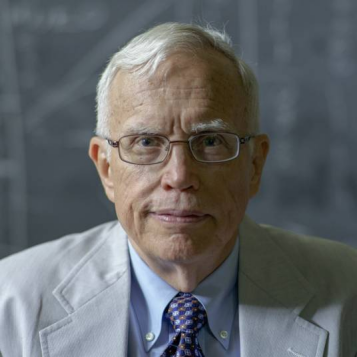
James J. Heckman (born April 19, 1944) is a WAAC Academician, an American economist, one of the leading representatives of the Chicago School of Economics, recipient of the 2000 Nobel Memorial Prize in Economic Sciences, the Henry Schultz Distinguished Service Professor of Economics at the University of Chicago, a Distinguished Professor-at-Large at The Chinese University of Hong Kong, and a pioneer of microeconometrics.Born in Chicago, he received his B.A. in Mathematics from Colorado College in 1965, his Ph.D. in Economics from Princeton University in 1971, and an honorary Doctor of Science (Economics) from University College London in 2013. He has taught at Columbia University, Yale University, the University of Chicago, and University College London, where he held the Distinguished Chair of Microeconometrics.In 2000, he shared the Nobel Memorial Prize in Economic Sciences with Daniel McFadden for his development of theory and methods for analyzing selective samples. The Heckman correction he developed is used to address self-selection bias.
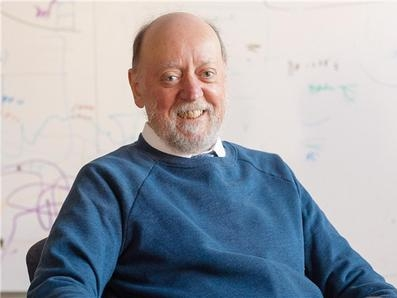
Jack J. Dongarra: Recipient of the 2021 A.M. Turing Award; Distinguished Professor Emeritus in the Department of Electrical Engineering and Computer Science at the University of Tennessee; Distinguished Research Staff at Oak Ridge National Laboratory; Turing Fellow at the University of Manchester; and Adjunct Professor at Rice University. He has long been devoted to the fields of high-performance computing, numerical algorithms, linear algebra, and distributed computing, and is one of the world’s foremost pioneers in high-performance computing. The numerical software libraries he developed, including LINPACK and LAPACK, have become global industry standards, laying the essential foundation for supercomputer performance benchmarking and the development of parallel computing technologies. His work has driven the widespread adoption and major breakthroughs of high-performance computing in scientific research, engineering applications, and many other fields. He has received numerous top international academic honors, including the ACM A.M. Turing Award and the IEEE Computer Pioneer Award.
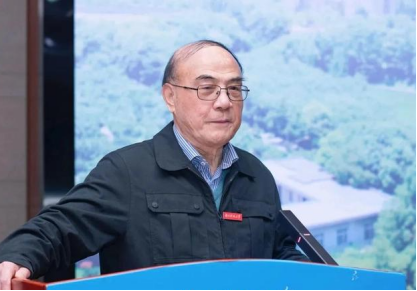
Jingnan Liu: Academician of the Chinese Academy of Engineering, Professor and Doctoral Supervisor at Wuhan University, Director of the National Engineering Research Center for Satellite Positioning System, founding Chancellor Emeritus of Duke Kunshan University, member of the Science and Technology Committee of the Ministry of Education, and coordinating member of the International GPS Geodynamics Service. He has long been devoted to research in geodetic theory and its applications, BeiDou satellite navigation and positioning technology, and the application and engineering of GNSS technologies. He is one of China’s foremost pioneers and academic leaders in the field of satellite navigation and positioning. The satellite navigation and positioning data processing and analysis software, BeiDou high-precision chips, and application platforms developed under his leadership have become key benchmarks in the industry. He established a systematic theoretical and technological framework for satellite navigation and positioning, overcame multiple key technical challenges related to the BeiDou system, and laid the essential foundation for the network construction of China’s BeiDou Satellite Navigation System, the independent and controllable development of high-precision positioning technologies, and their broad industrial application. His work has also promoted the integration and breakthroughs of satellite navigation technologies in such fields as land surveying and mapping, engineering construction, and intelligent transportation. He has received numerous top domestic and international science and technology awards, including the Lifetime Achievement Award in Satellite Navigation and Positioning, the Hubei Outstanding Contribution Award in Science and Technology, and the National Science and Technology Progress Award.
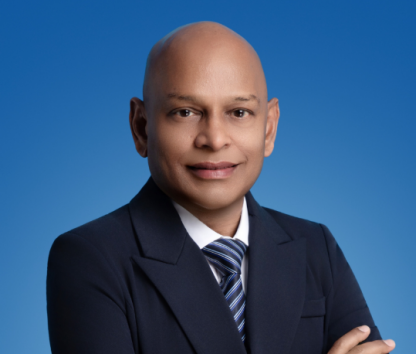
Seeram Ramakrishna: Foreign Member of the Chinese Academy of Engineering, Fellow of the Royal Academy of Engineering of the United Kingdom, Fellow of the Singapore Academy of Engineering, Fellow of the Indian National Academy of Engineering, Fellow of the ASEAN Academy of Engineering and Technology, and Fellow of the American Institute for Medical and Biological Engineering; Chair Professor and Xinghua Distinguished Chair Professor at Tsinghua University; Director of the iWearables (Intelligent Wearables) Center in the Department of Mechanical Engineering at Tsinghua University; Adjunct Professor at the National University of Singapore; and Honorary Professor at Qingdao University. He has long been devoted to the fields of electrospinning technology, nanofibers, smart materials, living materials, and their interdisciplinary applications. He is one of the world’s foremost pioneers in electrospinning and nanotechnology, and is widely regarded as the “father of electrospinning.” He has made seminal contributions to understanding and enhancing the biological, chemical, electrical, mechanical, and physical response characteristics of nanofibers. His technological achievements, including portable electrospinning devices and large-scale electrospinning production lines, have been successfully translated into industrial applications, laying a core foundation for the use of nanomaterials in such areas as biomedicine, energy storage, environmental governance, and intelligent wearable devices. His work has advanced the deep integration of nanotechnology with interdisciplinary research and industrial upgrading, and he has received many top international and national honors for academic excellence and cooperation, including the Chinese Government Friendship Award, the ASEAN Outstanding Engineering Achievement Award, and the Qingdao International Scientific and Technological Cooperation Award.
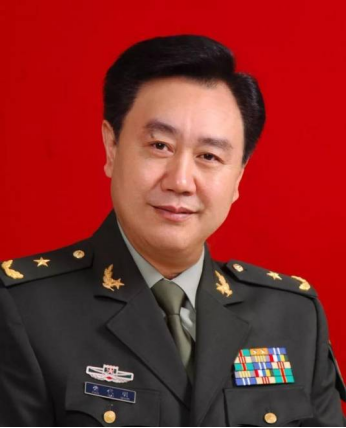
Daiming Fan: Born in November 1953 in Chongqing, he is a specialist in gastroenterology and oncology, holding the highest professional technical rank and the highest civilian grade in the military system. He graduated from the Fourth Military Medical University in 1989 and received his doctoral degree. He is an Academician of the Chinese Academy of Engineering, Foreign Associate of the U.S. National Academy of Medicine, Foreign Academician of the French National Academy of Medicine, Foreign Academician of the Brazilian National Academy of Medicine, and a member of the advisory committees of the Chinese Academy of Medical Sciences and the China Academy of Chinese Medical Sciences. He has been awarded the Special Commemorative Medal for National Defense Service by the Political Work Department of the Central Military Commission, and has held the rank of Major General in both the professional technical and military officer systems of the Army. He previously served as Vice President of the Chinese Academy of Engineering and President of the Fourth Military Medical University, and has been honored as a National Outstanding Communist Party Member, a National Outstanding Science and Technology Worker, and an Advanced Individual in the national campaign for scientific literacy. He currently serves as President of the Chinese Anti-Cancer Association, President of the Asian Oncology Society, President of the World Association of Integrative Oncology, Lifetime Honorary President of the World Association of Integrative Medicine, Chair of the Academic Committee of the China Institute for Integrative Medicine Development Strategy, Director of the State Key Laboratory of Integrated Prevention and Treatment of Gastrointestinal Tumors, Director of the National Clinical Research Center for Digestive Diseases, and Director of the National Clinical Trial Institution for New Drugs.
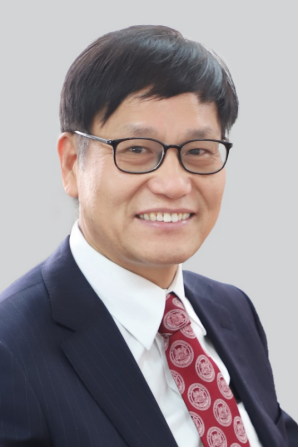
Xueji Zhang: Male, Ph.D., Distinguished Professor. He is a Member of the Standing Committee of the Party Committee and Vice President of Shenzhen University, Vice Chair of the Academic Committee of University of Science and Technology Beijing, Executive Dean of the Beijing Institute of Precision Medicine and Health, Chair of the China Strategic Alliance of Technology and Innovation for Bio-detection and Monitoring Industry, Fellow of the American Institute for Medical and Biological Engineering, Fellow of the Royal Society of Chemistry, Foreign Academician of the Russian Academy of Engineering, and Head of the Inspection Group for National Talent Evaluation under the Organization Department of the CPC Central Committee.
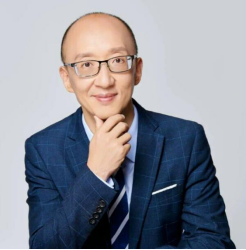
Yucong Duan: Chair of the World Association Artificial Consciousness; Honorary Academician and President of the World Academy for Artificial Consciousness; Academician of the International Academy of Advanced Technology and Engineering; Fellow of the European Alliance for Scientific Innovation; Corresponding Academician of the National Academy of Artificial Intelligence of the United States; Academician of the Chinese Academy of Technology and Secretary-General of its Department of Bioengineering; Honorary President of the China–U.S. Silicon Valley Development Promotion Association; Co-Chair of the China-Europe Scientists Forum; Honorary Chair of the Global Artificial Intelligence Electronic Alliance; Distinguished Expert of the Haizhi Program of the China Association for Science and Technology; Deputy Director of the Science and Technology Strategy Expert Advisory Committee of the China Association for the Promotion of Science and Technology Commercialization; Consulting Research Expert of the Chinese Academy of Engineering; Chair of the World Conference on Artificial Consciousness; Director of the Artificial Intelligence DIKWP International Evaluation Standards Committee; Deputy Director of the Smart Energy Committee of the Chinese Association for Artificial Intelligence; and AI expert of the China Data Elements 50 Forum of the Global Digital Economy Conference. He has been included in both the Stanford lifetime and annual lists of the world’s top scientists for four consecutive years. He has published more than 300 papers and 11 monographs, filed more than 400 invention patents as first inventor, and has been granted more than 120 Chinese and international invention patents.
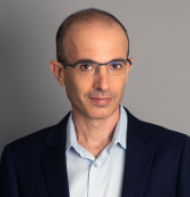
Yuval Noah Harari: Academician of WAAC, Israeli historian and public intellectual. He received his D.Phil. in History from the University of Oxford and is a professor at the Hebrew University of Jerusalem. He is renowned for his work on Big History as well as the history of technology and social thought. His representative works include the global bestsellers Sapiens: A Brief History of Humankind, Homo Deus: A Brief History of Tomorrow, and 21 Lessons for the 21st Century.
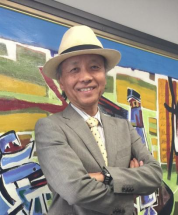
Minoru Asada: Academician of WAAC, renowned Japanese roboticist and pioneer of cognitive developmental robotics. He is currently Professor Emeritus of Osaka University and Vice-President, International Professional University of Technology in Osaka. He has long been devoted to exploring realizable mechanisms of consciousness and empathy in artificial systems. He systematically proposed a brain-inspired computational framework centered on pain and touch, arguing that by embedding human-like pain and tactile nervous systems into robots and combining them with mirror-neuron mechanisms, it is possible to promote the hierarchical emergence of emotional contagion, empathy, and a sense of morality. His representative work, Artificial Pain May Induce Empathy, Morality, and Ethics in the Conscious Mind of Robots (2019), has had a wide impact in academia and has become an important reference in the study of artificial empathy and artificial consciousness. In 2025, in recognition of his outstanding contributions to cognitive developmental robotics, artificial empathy, and artificial consciousness, he was elected an Academician of the World Academy for Artificial Consciousness.
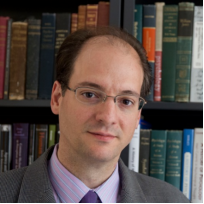
Ezequiel Morsella: Academician of WAAC, cognitive neuroscientist specializing in consciousness and action control. He is currently Professor of Neuroscience in the Department of Psychology at San Francisco State University and also serves as Assistant Adjunct Professor in the Department of Neurology at the University of California, San Francisco. He has long investigated, through the integration of theory and experiment, the role of consciousness in voluntary skeletal-muscle action, and has proposed and systematically developed Passive Frame Theory (PFT). In terms of honors, he was elected an Academician of the World Academy for Artificial Consciousness (WAAC) in 2025, and has received the San Francisco State University Presidential Award, the Frontiers in Psychology Award for Editing, the NIH NRSA Postdoctoral Fellowship, the Richard Christie Memorial Award, and other important academic honors and research support.
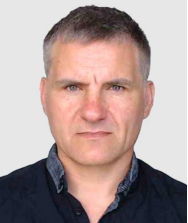
David Gamez: Academician of WAAC. He is a British scholar at Middlesex University London whose research spans philosophy, computer science, neuroscience, and psychology, with a focus on how intelligence can be defined and measured and on the scientific explanation of natural and artificial consciousness. He is currently working on a general intelligence measure based on the “predictive brain” approach, known as P, which aims to place the intelligence of humans, animals, and artificial intelligence on a common scale for comparison, and to provide quantitative tools for new AI development pathways and AI safety. The relevant algorithms and online experiments have already been made publicly available and were systematically presented in a 2025 arXiv paper. He is also the author of Human and Machine Consciousness, serves in an editorial role for the Journal of Artificial Intelligence and Consciousness, and has participated in organizing AAAI-related workshops.
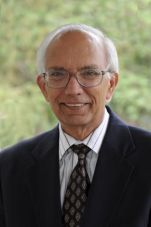
Professor Rattan Lal: Academician of WAAC, Indian-American soil scientist, Distinguished University Professor of Soil Science at The Ohio State University, and Director of the CFAES Rattan Lal Carbon Management and Sequestration Center. He is widely recognized as one of the pioneers of soil-centered regenerative agriculture and soil carbon sequestration research. Over more than five decades, he has promoted conservation agriculture practices such as no-till farming, cover crops, crop-residue return, and agroforestry in regions including Africa, Asia, and Latin America, helping restore degraded soils, increase soil organic carbon, and significantly improve the livelihoods, food security, and nutrition of smallholder farmers. His work is regarded as having benefited more than 500 million smallholders and over 2 billion people, while protecting hundreds of millions of hectares of tropical ecosystems. In recognition of his outstanding contributions to sustainable soil management, global food security, and climate change mitigation, he received the Glinka World Soil Prize and the World Agriculture Prize in 2018, the Japan Prize in 2019, the World Food Prize—widely regarded as the “Nobel Prize of Agriculture”—in 2020, and the Padma Shri, one of India’s highest civilian honors, in 2021. He has also long ranked among the world’s leading highly cited scientists in the fields of agriculture and environmental science.
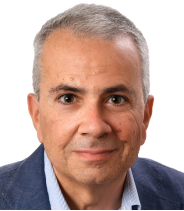
Antonio Chella: Honorary Academician of WAAC, Professor of Robotics in the Department of Engineering at the University of Palermo, Italy, and Director of the RoboticsLab. He previously served as Director of the Interdepartmental Center for Knowledge Technologies (CITC), Director of the Department of Computer Engineering (DINFO), Chair of the Computer Engineering Graduate Program, and Coordinator of the Ph.D. Program in Technological Innovation Engineering. He has coordinated a number of Italian and European research projects. Professor Chella is the author of more than 200 academic publications and has served as editor-in-chief or editorial director of several academic journals and book series in such fields as robot consciousness, computational creativity, cognitive science, and artificial intelligence. His research activities have been featured in articles and interviews in a number of national and international magazines and newspapers, including New Scientist and The Guardian. Professor Chella is also a co-author with researchers at ICAR and has participated in the activities of the Cognitive Systems for Robotics research group.
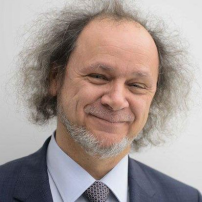
Professor Włodzisław Duch: Academician of WAAC, Professor Włodzisław Duch is a scholar at Nicolaus Copernicus University (UMK) in Toruń, Poland. He serves as Head of the Neurocognitive Laboratory at the Interdisciplinary Centre for Modern Technologies (ICNT), and also leads the Neuroinformatics and Artificial Intelligence team within the University Centre of Excellence Dynamics, Mathematical Analysis and Artificial Intelligence. He also previously served as Deputy Minister of Science and Higher Education of Poland. His research focuses on artificial intelligence and machine learning, neural networks, and cognitive science, with particular attention to the intersection of cognitive architectures and neuroscience. In terms of academic honors, he is a Fellow of the International Neural Network Society (INNS, 2013), a Fellow of the Asia-Pacific Artificial Intelligence Association (2022), a Fellow of the International Artificial Intelligence Industry Alliance (2024), and a Life Senior Member of IEEE. He is also a member of committees of the Polish Academy of Sciences (PAN) and of the Complex Systems Committee of the Polish Academy of Arts and Sciences (PAU), and was elected an Academician of the World Academy for Artificial Consciousness (WAAC) in 2025.
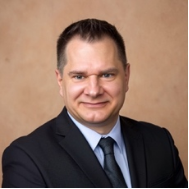
Professor Gerwin Schalk: Academician of WAAC, Professor Schalk is a globally influential scientist in the fields of neuroscience and brain-computer interfaces (BCI), ranked No. 5 worldwide in BCI research (top 0.05%). He is one of the world’s leading pioneers in using brain-surface signals, namely electrocorticography (ECoG), to study ECoG-based neural decoding and neuromodulation. Examples of his highly productive work include the first demonstration of the world’s first brain-computer interface using ECoG signals; the first proof that human hand movements can be decoded; the first demonstration of two-dimensional BCI control based on ECoG; and the first decoding of single-finger flexion in any species using any brain signal. He also developed the first fundamentally new functional mapping technology for neurosurgery in thirty years. Professor Schalk has published 131 peer-reviewed papers, 1 monograph, and 17 book chapters, with a total of approximately 30,000 citations, including 2 papers cited more than 3,000 times and 5 papers cited more than 1,000 times, and has an H-index of 70. He has received more than USD 18 million in research funding. He enjoys a distinguished international academic reputation and has delivered or participated in 300 international lectures and seminars.

Adam Zeman: Academician of WAAC and a British neurologist. He is currently Honorary Professor of Neurology at the University of Exeter and continues his research and academic work in such capacities as Honorary Fellow at the Centre for Clinical Brain Sciences, University of Edinburgh. He specializes in cognitive and behavioural neurology and the study of memory disorders, and has led or played a central role in the TIME project, which focuses on such conditions as transient epileptic amnesia. He is also widely known for proposing and popularizing the term “aphantasia” in a 2015 paper published in Cortex, using it to describe the absence of voluntary visual imagery.
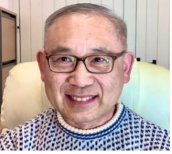
Simon Duan: Dr. Simon Duan is a materials scientist turned consciousness researcher whose work spans psychical research, transpersonal psychology, artificial intelligence, and metaverse. He is the originator of the "Platonic Computation" model, a post-materialist scientific framework in which consciousness is not regarded as an emergent byproduct of matter, but rather as an irreducible, fundamental reality. Correspondingly, physical reality is described as the computational output of Platonic Computation. This model seeks to provide a solution to the "inverse hard problem of consciousness" (i.e., how consciousness gives rise to matter). Dr. Duan is an adjunct professor and doctoral supervisor at Sofia University in the United States, where he teaches PhD-level courses in parapsychology, transpersonal psychology, and artificial intelligence. He is also the founder and CEO of Metacomputics Labs, a consulting and research organization specializing in consciousness studies and artificial intelligence. Originally from China, Dr Duan moved to the United Kingdom in the 1980s, where he earned a PhD in materials science from the University of Cambridge. He previously served as Vice President of the International Chinese Parapsychology Association.
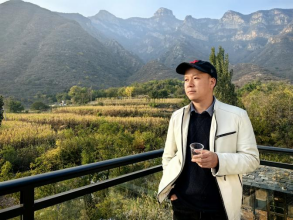
Jianhua Mei: Born in 1980, a native of Zigui, Hubei Province, with ancestral roots in Longshan, Xiangxi, Hunan Province. He holds a Ph.D. in Philosophy from Peking University and is Professor and Doctoral Supervisor at the School of Philosophy, Shanxi University, as well as Editor-in-Chief of the bilingual journal Cognitive Science. His research areas include philosophy of mind, philosophy of artificial intelligence, experimental philosophy, metaphysics, and comparative Chinese and Western philosophy. He has been a visiting scholar at the University of Salzburg, the University of Pittsburgh, and Rutgers University. He completed a National Social Science Fund youth project, “A Critical Study of Experimental Philosophy of Language,” and currently leads a key National Social Science Fund project, “A Metaphysical Study of Contemporary Problems of Consciousness.” He has published dozens of academic papers. His books include Investigating Principles Through Things: A Physicalist Worldview with a Self (Peking University Press, 2023), Intuition and Reasons: Studies in Experimental Philosophy of Language (The Commercial Press, 2023), and Yushi Ji (Huaxia Publishing House, 2024).
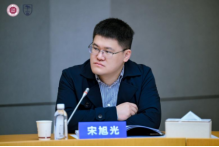
Xuguang Song: Tenured Associate Professor, Distinguished Research Fellow, and Doctoral Supervisor; Vice Dean of the School of Law, Shenzhen University; Vice Dean of the Institute of Law and Technology; Director of the Teaching Experiment Center of Law; Director of the Research Center for Legal Methods and Rule of Law; and Deputy Director of the Key Laboratory of Rule of Law Big Data and Intelligent Equipment Application Research of the Ministry of Justice. He holds a Ph.D. in Law from China University of Political Science and Law and was a visiting scholar at Vrije Universiteit Amsterdam. He also serves as Executive Council Member and Deputy Secretary-General of the Legal Logic Committee of the China Logic Society, and as Council Member of the Cyber and Information Law Society of the China Law Society. He has led 2 projects funded by the National Social Science Fund of China, 1 sub-project of a major National Social Science Fund project, and 6 provincial- and ministerial-level projects funded by authorities including the Ministry of Education and the Ministry of Justice. He has published 5 monographs, 2 translated books, served as chief editor of 2 textbooks and contributing editor of 2 additional textbooks, published more than 60 papers, and was consecutively selected for the CNKI Highly Cited Scholars Top 1% in China in 2024 and 2025.
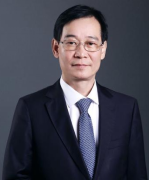
Hongjun Li: Academician of the Russian Academy of Natural Sciences; expert enjoying the special allowance of the State Council; Chief Imaging Expert of the National Medical Research Center for Infectious Diseases; inheritor of the National Health Commission’s Health Technology Promotion and Inheritance Project in “Radiological Diagnosis Technology for Infectious Diseases”; and recipient of the title “National Distinguished Doctor of China – Outstanding Achievement.” He has received honors including the Springer Nature–China New Development Award, the China “Going Global” Book General Award, the First Prize for Scientific and Technological Innovation of the China Association for the Promotion of Science and Technology Commercialization, and the WHO Standards Development “Transparency Award.” He is an M.D., Chief Physician, Second-Tier Professor, Doctoral and Postdoctoral Supervisor, Professor at Capital Medical University, and Distinguished Professor at Beihang University. He serves as Director of the Medical Imaging Center of Beijing You’an Hospital, Capital Medical University, and Director of the China–Russia Laboratory for Medical Imaging and Artificial Intelligence; Editor-in-Chief of Radiology of Infectious Diseases; and Editor-in-Chief of Radiology Science. He also serves as Vice Chairman of the World Association Artificial Consciousness, Co-Chair of the Proactive Medicine Committee of the World Association Artificial Consciousness, and Vice President of the International Society for Translational Medicine as well as President of its Infectious Disease Radiology Branch. In addition, he serves as Chair of the Infectious Disease Radiology Committee of the Chinese Society of Radiology, Chair of the Radiology Professional Committee of the National Health Commission’s National Health Technology Promotion and Inheritance Application Project, Chair of the Infectious and Inflammatory Radiology Committee of the Chinese Research Hospital Association, Chair of the Digital Health Committee of the China Association for the Promotion of Science and Technology Commercialization, Chair of the HIV Radiology Committee of the Chinese Association of STD and AIDS Prevention and Control, and Chairman of the Beijing Imaging Diagnosis and Treatment Technology Innovation Alliance.
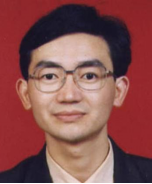
Yigang He: Ph.D. in Electrical Engineering from Xi’an Jiaotong University; Foreign Academician of the European Academy of Natural Sciences; currently Vice Dean, Second-Tier Professor, and Doctoral Supervisor at the School of Electrical Engineering and Automation, Wuhan University; and recipient of the National Science Fund for Distinguished Young Scholars. He also serves as Vice President of the China Energy Society and Deputy Director of the Engineering Research Center for Carbon Neutrality Perception and Performance Evaluation of the Ministry of Education, and has been included in the list of the world’s top 2% scientists. After receiving his doctoral degree in 1996, he successively served as Associate Professor, Professor, and Doctoral Supervisor at Hunan University. In 2002, he went to the University of Hertfordshire in the United Kingdom for visiting research, and from 2006 to 2011 served as Director of the Institute of Circuit and System Testing Technology at Hunan University. From 2011 to 2017, he served as Dean of the School of Electrical and Automation Engineering at Hefei University of Technology, and in 2017 assumed his current position. He has long been engaged in research on smart monitoring of large power grids and power electronic conversion technologies. He has led more than 30 research projects, including national major science and technology projects and projects under the 863 and 973 Programs, published more than 400 SCI-indexed papers, obtained 188 authorized invention patents, received the First Prize of the Natural Science Award of the Ministry of Education and multiple provincial- and ministerial-level science and technology awards, and supervised more than 170 postdoctoral researchers and doctoral students, including 8 who were later selected for national-level talent programs. In 2024, he was elected as a Foreign Academician of the European Academy of Natural Sciences through application via its official website.
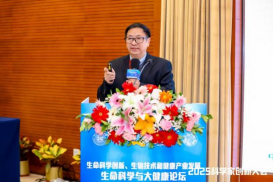
Xianping Ding: A renowned Chinese life scientist and expert in bioethics. He is currently an Academician of the Russian Academy of Natural Sciences, the European Academy of Natural Sciences, the World Academy of Productivity Science, and the National Academy of Sciences of Bolivia. He has long been engaged in teaching, research, and talent cultivation in genetics and bioethics at Sichuan University. He has published more than 260 papers, including over 100 indexed by SCI, applied for and obtained more than 70 authorized patents, published 9 textbooks and monographs, and supervised more than 200 master’s and doctoral students. He also serves as Chair of the Collaborative Innovation Platform for Stem Cells and Fertility Research of China, Vice President of the China Eugenics Association, Chair of the Women’s Health and Fertility Protection Committee of the China National Health Association, and President of the Sichuan Big Health Industry Association as well as Chair of its Life and Health Ethics Committee.
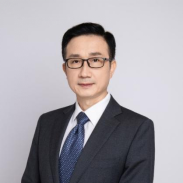
Hui Li: Emeritus Professor of Peking University Shenzhen Graduate School; Director of the Future Peking University Innovation Center, a national major scientific and technological infrastructure platform; Director of the Peking University–China Mobile Sovereign Trusted Internet Joint Laboratory; Chair of the Theory and Mathematical Modeling Expert Committee of the IEEE Blockchain Society in the United States; and Chair of the IEEE Blockchain Technology Shenzhen Chapter. He also serves as Chief Information Scientist of the International Academicians Science and Innovation Center founded by Academician Chen Qingquan; Global Technical Council Member of the China-Europe Intelligent Connected Vehicles Innovation Association; Chief Network Engineer of the Golden Network Satellite Internet Project of the Zhongguancun Association for the Promotion of Civil-Military Integration Information Equipment Industry; Vice President of the World Association Artificial Consciousness; and Fellow of the Institute of Engineering and Technology of the United Kingdom. He is the first author of nearly six monographs published by top English-language publishers. He entered Tsinghua University in 1981, completed both his bachelor’s and master’s degrees there, and received his Ph.D. in Information Engineering from The Chinese University of Hong Kong in 2000.
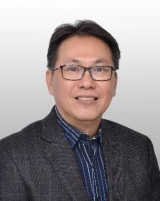
James Ong: Founder and Dean of the Artificial Intelligence International Institute (AIII); Chair of the Technology and Innovation Working Group of the Singapore Chamber of Commerce in China; Founder and CEO of Origami Frontiers; Adjunct Professor at the Singapore University of Technology and Design; Expert Member of the National Artificial Intelligence Standardization Expert Group of the Ministry of Industry and Information Technology; and International Strategic Advisor, expert, technology ecosystem specialist, and advocate for the World Artificial Intelligence Conference (WAIC).
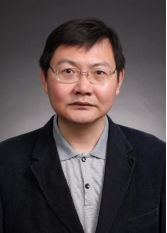
Danxia Xie: Doctoral Supervisor and Associate Professor with Tenure at the Institute of Economics, School of Social Sciences, Tsinghua University; Outstanding Doctoral Dissertation Advisor of Beijing; Outstanding Doctoral Dissertation Advisor of Tsinghua University; Faculty Advisor for the Tsinghua Economics Talents Program; and Deputy Director of the Tsinghua Laboratory for Data Factors and Digital Technology. She received her Ph.D. in Economics from the University of Chicago, an M.P.P. from Harvard University, and a Master’s degree in Computer Science from Duke University, where she also completed all doctoral coursework. She previously worked at the Peterson Institute for International Economics, a world-renowned think tank, and participated in the R&D of China’s first CPU, Peking University’s “China Chip” project, in 1999. She was the first to propose the “Generalized Digital Economy Theory,” the “Endogenous Growth Theory of Data Innovation,” and the “Regulation and Growth Theory.” Her research covers digital economy, health economics, law and economics, macroeconomics, finance, and international economics.
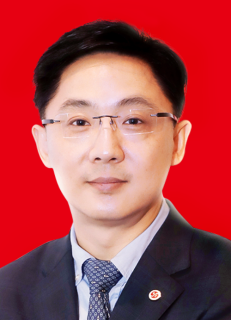
Yu Feng: Chief Physician. He began his professional career in July 1991 and joined the Chinese Peasants and Workers Democratic Party in December 2012. He currently serves as President of Shanghai Pudong New Area Hospital of Traditional Chinese Medicine, Deputy to the Sixteenth Shanghai Municipal People’s Congress, and Chair of the Committee of Shanghai University of Traditional Chinese Medicine under the Chinese Peasants’ and Workers’ Democratic Party. He previously served as Vice President of Shuguang Hospital Affiliated to Shanghai University of Traditional Chinese Medicine, and in 2022 presided over the launch ceremony of the hospital’s Halcyon linear accelerator. In 2024, he proposed applying network pharmacology and organoid models to the research and development of traditional Chinese medicine, led his team in signing an expert-team cooperation agreement with Dali Prefecture Hospital of Traditional Chinese Medicine and carrying out free medical consultation services, and took the lead in signing an agreement on the construction of an intelligent database for traditional Chinese medicine to promote the application of 5G communication technology and the Internet of Things. In the same year, as a deputy to the people’s congress, he proposed building an innovation consortium for traditional Chinese medicine in the Yangtze River Delta and completed research on a key project of the National Natural Science Foundation of China. During his tenure as a people’s congress deputy, he also put forward the “Strengthening the Waist” initiative, which proposed integrating the resources of traditional Chinese medicine hospitals in Pudong New Area to establish the Shanghai University of Traditional Chinese Medicine Affiliated Chinese Medical Center.
Erxiang Dou: Professor at the School of Software and Microelectronics, Peking University, and Deputy Director of the Department of Financial Information Engineering. He has long been engaged in the interdisciplinary fields of financial information engineering, the digital economy, and the integration of artificial intelligence with finance. Focusing on social life theory and AI consensus studies, he explores innovative development and consensus building for financial systems in the age of artificial intelligence. By deeply integrating AI technologies with financial theory and practice, he has achieved a range of research results in such areas as financial technology, digital financial regulation, and financial big data analysis, providing both theoretical and technical support for the intelligent upgrading of the financial industry and for risk prevention and control in the context of the digital economy.
Hengjin Cai: Professor at the School of Computer Science, Wuhan University; Vice Chair of the Mind Computing Committee of the Chinese Association for Artificial Intelligence; Chief Scientist of Zhongbei Communication Co., Ltd.; and Chairman of Wuhan Dagong Intelligence Technology Co.Ltd. He proposed the Life++ concept, the Active Hash Interaction Networks (AHIN) architecture, the Cognitive Canxian Theory of Consciousness, the Causation Re-engineering Theory of Intelligence, and the Early Archaean Porolife Hypothesis (EAPH). He has guided student teams to win nearly one hundred awards in international and domestic competitions, including the Global Championship of the 2018 Financial Data Discovery and Exploration Competition. His major works include Before the Rise of Machines: The Beginning of the Consciousness and the Human Intelligence, Blockchain: Linking the Intelligent Future, The Essence of Metaverse: The Superintelligence of Humanity in the future, and the Human-like Consciousness and Human-like Intelligence.
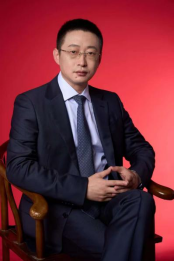
Lizhong Li: United Nations Invited Observer; Member of the Global Academician Committee of Leadership and Technology Innovation (GACLTI) under the United Nations Sustainable Development Organization; World Innovation Leader; Peace Envoy; Life Fellow of the Royal Society of Arts of the United Kingdom; Academician of the Academy of Social Sciences of Canada; Academician of the World Academy of Productivity Science; Honorary Doctor and Visiting Professor at Columbia University in the United States; Visiting Professor at the University of the Southwest in the United States; Adjunct Professor at Krirk University in Thailand; Executive Director and Co-Chairman of AOM International Group (00381); Chairman of Lizhan Group; Chief Scientist for Digital Currency and Blockchain Technology at the National Engineering Research Center for Financial Security and System Equipment; Chief Scientist for Blockchain at Southern Data; Vice Chairman of the World Association Artificial Consciousness; Chair of the Ethics and Safety Control Committee of the World Association Artificial Consciousness; Rotating Chair of the Blockchain and Data Elements Committee of the China Mobile Communications Association; President of the Blockchain Promotion Branch of the China Association of Private Technology Entrepreneurs; Vice President of the Commercial Innovation Branch of the China Society of Commercial Economics; Executive Vice President of the Shenzhen Blockchain Association; Senior Elder of the Alibaba Chucheng Association; Executive Committee Member of the Blockchain Committee of the China Computer Federation; Executive Committee Member of the 60-Person Forum on the Integrated Application of Blockchain and Industrial Internet; Founder of the Alibaba Blockchain Alliance; and Executive Committee Member of the World Financial Forum. He is the inventor of more than one hundred patents, including over seventy blockchain invention patents, ranked 24th in the Top 100 Global Blockchain Patent Innovation Talents in 2017, and formerly served as Assistant to the President of Ant Financial Group, Alibaba.
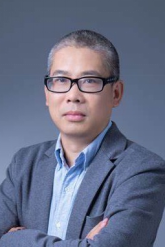
Yongmou Liu: Professor, Distinguished Young Scholar, and Doctoral Supervisor at the School of Philosophy, Renmin University of China. His main research areas are philosophy of science and technology, and science, technology and society. He has served as a visiting scholar at a number of overseas universities, including Harvard University, Sorbonne University, and Utrecht University. He is the principal investigator of a major project of the National Social Science Fund of China and a recipient of the National Excellent Doctoral Dissertation Award. He has published more than 20 books, including Technological Control During the Pandemic and the Governance of Technology, The Rebellion of Technology, Minerva in Action, and Foucault’s Journey of Subject Deconstruction. He has published more than 150 academic papers in journals such as Issues in Science and Technology and Environmental Ethics. He has also published a large number of articles in major media outlets and has been featured in interviews by media including Science, attracting wide public attention.
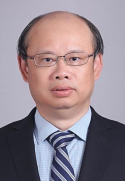
Zhongdao Wu: M.D., Second-Tier Professor at Sun Yat-sen University, Yixian Distinguished Scholar, and Doctoral Supervisor. Former Party Secretary of Zhongshan School of Medicine, Sun Yat-sen University. He currently serves as Director of the Nuclear Technology (Sterile Insect) Research and Development Center of the China Atomic Energy Authority, Sun Yat-sen University; Head of the IAEA Collaborating Center for Sterile Insect Technique; Director of the Guangdong Engineering Research Center for Vector Biology Control; President of the Guangdong Society of Parasitology; and Vice President of the Guangdong Society of Translational Medicine. He is recognized as a cross-century talent in endemic disease control by the former Ministry of Health, a Baosteel Excellent Teacher, a Distinguished Teaching Master of Guangdong Province, a leading medical talent of Guangdong Province, an expert enjoying the special allowance of the State Council, and a member of the Teaching Guidance Committee for Medical Humanities and General Practice Medicine under the Ministry of Education.
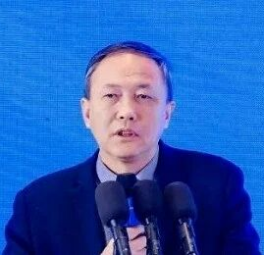
Yuansheng Guo: Academician of the National Academy of Artificial Intelligence of the United States, Fellow of the Royal Society of Medicine of the United Kingdom, Deputy Director of the Science and Technology Committee of the Central Committee of the Jiusan Society, Executive Vice President of the China Sensor and IoT Industry Alliance, Adjunct Professor at Wuhan University, East China University of Science and Technology, Beijing University of Posts and Telecommunications, and other universities, Vice Director of the National 3D Contest Organizing Committee, and former Chief Engineer of the Electronic Components Industry Development Research Center of the Ministry of Industry and Information Technology. He has long been engaged in the fields of sensors, the Internet of Things, artificial intelligence, and electronic components, and is one of the leading figures in China’s sensor and IoT industry. He has promoted R&D innovation, standards development, and industrial upgrading in sensor technology, with a focus on the opportunities and challenges for the sensor industry during the Fifteenth Five-Year Plan period. His work provides strategic support for the integrated application of sensor technology with artificial intelligence, biomedicine, and other fields, and has helped advance China’s sensor industry toward the high-end, intelligent, and domestically driven development.
Jucheng Yang: Dean of the Guangxi Institute of Artificial Intelligence. He has long been engaged in the fields of artificial intelligence, intelligent systems, and the integration of industry, academia, and research, and is a leading figure in regional AI education and scientific research. He has taken the lead in building the disciplinary framework and talent cultivation system for artificial intelligence in Guangxi, and has promoted the deep integration of AI technologies with local industries. His work focuses on the research and transformation of achievements in such areas as intelligent algorithm development and industry-oriented intelligent applications, laying a solid foundation for disciplinary development, talent cultivation, and industrial upgrading in Guangxi’s artificial intelligence sector. He has contributed to the innovative development of the regional digital economy and intelligent industries, and has received multiple provincial-level awards in teaching, scientific research, and industrial innovation.
Yuanhui Fu: Corresponding Academician of the United Nations International Academy of Ecological Life Safety. He has long been engaged in the interdisciplinary fields of biodynamics, ecological life sciences, and artificial consciousness, with a focus on the research and practice of artificial consciousness models from the perspective of biodynamics. He has conducted in-depth exploration of the dynamic mechanisms of biological life activities and the methodologies for constructing artificial consciousness models, providing new perspectives for the theoretical study and model design of artificial consciousness from a biodynamic viewpoint. He has promoted interdisciplinary integration and innovation among ecological life sciences, artificial intelligence, and artificial consciousness, and has published multiple high-level academic papers in leading journals in related fields.
Huiyu Zhou: Professor in the School of Computing and Mathematical Sciences at the University of Leicester, Professor at Shanghai University, Chair of ArtInHCI 2024, and a Global Top 2% Scientist. His research focuses on computer vision, machine learning, and smart healthcare, including applications such as Parkinson’s disease diagnosis. He has published more than 500 academic papers and has been cited more than 14,000 times. He has received honors including the CVIU 2012 Most Cited Paper Award and the MIUA 2020 Best Paper Award. He serves on the editorial boards of international journals such as IEEE Transactions on Human-Machine Systems and IEEE Journal of Biomedical and Health Informatics. His research has been supported by organizations including the UK Engineering and Physical Sciences Research Council (EPSRC), the Medical Research Council (MRC), and the Royal Society, and he has achieved notable results in AI application scenarios such as mouse social behavior detection and clinical diagnosis for Parkinson’s disease patients.
Wei Liu: Male, born in June 1970. Professor and Master’s Supervisor. He holds a Doctor of Engineering degree in Human-Machine and Environment Systems Engineering from Beihang University and has been invited to serve as a visiting scholar at the University of Cambridge. His research areas include human-computer interaction and cognitive science. To date, he has published more than 40 papers, authored 3 monographs, and contributed to the publication of 2 additional monographs. As principal investigator, he has led multiple projects funded by the National Natural Science Foundation of China, the General Armament Department’s pre-research program during the Twelfth Five-Year Plan period, and a number of enterprise-sponsored projects. He currently serves as a specially appointed expert of the Expert Committee of the China Information and Electronics Engineering Science and Technology Development Center, a member of the National Technical Committee for Ergonomics Standardization, a review expert for the National Natural Science Foundation of China, and an evaluation expert for the Center for Degree and Graduate Education Development of the Ministry of Education. He is also a reviewer for Human Factors (USA), Ergonomics, Acta Aeronautica et Astronautica Sinica, and Acta Psychologica Sinica; a senior member of the Chinese Association for Artificial Intelligence; a member of the Systems Engineering Society of China, the China Engineering Graphics Society, the Chinese Society of Astronautics, and the Chinese Society of Aeronautics and Astronautics; and Chief Scientist of the Human-Machine Integrated Intelligence Task Group under the Innovation Special Zone of the Science and Technology Commission of the Central Military Commission.
Yi Zhou: Ph.D. in Science, Professor, and Doctoral Supervisor. He serves as Deputy Director of the Engineering Research Center of Biomedical Big Data, Ministry of Education; Vice President of the National Institute of Health and Medical Big Data at Sun Yat-sen University; Director of the Guangdong Engineering Research Center for Health and Medical Big Data; and Chair of the Medical Informatics Branch of the Guangdong Medical Association. He has long been engaged in research on health and medical informatization and big data, as well as medical artificial intelligence. He has led more than 20 projects, including General Program projects of the National Natural Science Foundation of China, sub-projects of National Key R&D Programs, and major science and technology special projects of Guangdong Province. He has also led and participated in six medical informatics planning and design projects for the National Health Commission, the Chinese Academy of Engineering, and Guangdong Province. He has published more than 200 papers, served as chief editor of 11 textbooks and monographs on medical informatics and as associate chief editor of 10 more, and holds 9 authorized invention patents and 11 software copyrights.

Xinlan Zhu: a leading figure in industry brand development in China; Executive Chair of the Global Alliance of Academicians, Experts and Doctors; Founder of the Global SME Trading Center; Chief Consultant to the CCTV HD Variety and Entertainment Channel; President of the Guangdong–Hong Kong–Macao Greater Bay Area Business Federation; and Chair of the Mozi Charity Rural Revitalization Public Welfare Foundation, among other roles. She is also a senior media professional and brand planning expert, with more than 30 years of experience in cultural, educational, and news-related work, and has successfully built a number of leading industry brands. In 2008, she was named a “Leading Figure in China’s Industry Brand Development” by the China First Brand Research Center, People’s Daily, and other news organizations. In 2009, she led China’s successful bid to host the 19th World Memory Championships and served as Executive Chair. Under her leadership, the Chinese team won its first world team championship, and she was also invited to appear as a special guest on CCTV-10’s Encyclopedia Exploration. In 2010, she was recognized as one of China’s Top Ten Innovative Entrepreneurs by the Chinese Academy of Management Science, the China Brand Association, and other institutions. In 2011, she was named one of the Top Ten Most Influential Figures in China’s E-Commerce Industry by the China Competitiveness Forum, organized by relevant Chinese ministries and commissions together with Economic Weekly. She later transitioned into the capital sector, where she successively led the establishment of a number of international cooperation platforms, including the Hong Kong Global SME Trading Center, the Hong Kong International Board Media Group, the Global Leaders Forum, and the World Blockchain Alliance. She has helped hundreds of enterprises transform toward capital-based operations and enter capital markets around the world. She has also been invited on multiple occasions to attend relevant international conferences organized by the United Nations and to deliver keynote speeches.
Zhendong Xie: Academician of the International Academy of Advanced Technology and Engineering; President of the Smart Transportation Research Institute of the International Academicians Alliance; President of the Guangdong Intelligent Transportation Association; Chief Engineer of Guangzhou Public Transport Group and President of its Smart Transportation Research Institute. He previously served as Chairman of the Guangdong–Hong Kong–Macao Greater Bay Area Autonomous Driving Industry Alliance. He has long been engaged in the interdisciplinary fields of smart transportation, artificial intelligence, and traffic engineering, with a focus on the architecture design and R&D of future transportation systems oriented toward artificial consciousness. He has promoted the deep integration of artificial intelligence, big data, and Internet of Things technologies with the transportation industry, and has achieved more than 50 accomplishments and awards in such areas as urban intelligent transportation planning, integrated city transportation smart cards, transportation big data analysis, and autonomous driving. He has published 10 academic monographs on intelligent transportation, been recognized as a leading innovation and entrepreneurship talent in China’s intelligent transportation sector, enjoys the special allowance of the State Council of China, and has been honored as an Annual Figure in China’s Moving Transportation Awards.

Yi Pan: Founding Dean and Chair Professor of the School of Computer Science and Control Engineering at Shenzhen University of Advanced Technology; Fellow of the American Institute for Medical and Biological Engineering, Academician of the National Academy of Artificial Intelligence of the United States, Academician of the European Academy of Sciences and Arts, Foreign Academician of the Russian Academy of Engineering, Foreign Academician of the Ukrainian Academy of Engineering Sciences, and Fellow of the Royal Society for Public Health of the United Kingdom. He is also a Distinguished Fellow of the International Engineering and Technology Association, Fellow of the Institution of Engineering and Technology, Fellow of the Asia-Pacific Artificial Intelligence Association, Fellow of the Asian Society for Computational Intelligence, Fellow of the International Artificial Intelligence Industry Alliance, Fellow of the Japan Society for the Promotion of Science, Changjiang Scholar, and National Distinguished Expert. He has been listed among the world’s top 0.05% scholars, included in the list of the world’s top 1,000 computer scientists, and ranked by ScholarGPS as the world’s No. 4 top scholar in computational biology over the past five years.
Chunhui Wang: Professor and Doctoral Supervisor; President of the International Data Association (IDA); Chief Expert for Decision-Making Consultation of the China Association for Science and Technology; Member of the ICT Economy Expert Committee of the Ministry of Industry and Information Technology; Chief Data Officer (CDO) of the World Academy for Artificial Consciousness (WAAC); Chief Legal Officer of the United Nations Digital Security Alliance (UNDSA); President of the Global Institute for Artificial Intelligence Governance of the United Nations World Silk Road Forum (UNWSF); and Chair of the China Data Elements 50 Forum of the Global Digital Economy Conference. He was the founding Dean and is a Professor at the Institute of Industrial Development Strategy, Nanjing University of Posts and Telecommunications; a jointly appointed Professor and Doctoral Supervisor at Zhejiang University; and Chief Expert of the Research Base for International Governance of Cyberspace at Zhejiang University. He is widely recognized in China as a leading interdisciplinary expert in the integration of strategy, law, economics, industry, and technology in the fields of networks and data. Professor Wang served as a member of the expert drafting group for the Telecommunications Law of the People’s Republic of China. He participated in legislative consultation and draft revision work for a number of major Chinese laws and regulations, including the Cybersecurity Law, the Personal Information Protection Law, the Data Security Law, Chapter VI of the Book on Personality Rights in the Civil Code (Personal Information Protection), the revised Law on Scientific and Technological Progress, the Regulations on the Security Protection of Critical Information Infrastructure, and the revised Commercial Cryptography Regulations. He has also represented China on multiple occasions in the deliberations of the International Telecommunication Regulations at the International Telecommunication Union (ITU) and in discussions of model laws on international digital trade at the United Nations Commission on International Trade Law (UNCITRAL). Professor Wang has repeatedly participated in the China–U.S. Digital Economy Track II Dialogue and has served as the Chinese lead for the data working group.
Bin Li: Ph.D. from Tsinghua University, specializing in artificial intelligence, with 20 years of experience in Silicon Valley. He advocates solving AI challenges with Chinese wisdom: leveraging the strengths of Chinese wisdom, using the concept that “the Dao gives rise to all things” to challenge the hypothesis of the origin of all things, defining the ultimate technological vision through the principle that “the Dao follows nature,” and modernizing traditional Chinese medicine as an original Chinese paradigm, so as to achieve original breakthroughs in Chinese AI, seize future opportunities, and lead the world. He is Vice President of the Guizhou Ph.D. Association, Chairman of Guizhou Zhikeyun Investment Co., Ltd., Executive President of the China–U.S. Silicon Valley Development Promotion Association, Co-Chair and Secretary-General of the Global Alliance of Academicians, Experts and Ph.D.s, and former Standing Committee Member of the Guizhou Association for Science and Technology.
Delong Shang: Professor and Doctoral Supervisor at the Institute of Microelectronics of the Chinese Academy of Sciences (IMECAS). He has long been engaged in frontier research and technological development in microelectronics and computer science. From the mid-1980s to the mid-1990s, Dr. Shang played a leading role in the core research and development of two central processing unit (CPU) projects, accumulating extensive experience in chip design and system development. After returning to China in 2019, he led his team in developing the largest highly real-time neuromorphic computer in China, filling a major domestic technological gap in the field. During his tenure in the United Kingdom, he was also deeply involved in a number of world-leading scientific research projects, including the Human Brain Project (HBP), the development of the SpiNNaker neuromorphic chip, and the development of the ACM and PN2DC asynchronous design toolkits, making important contributions to technological progress in these areas. Dr. Shang’s research focuses on computer architecture, neuromorphic computing, asynchronous design technologies, and their engineering applications, and his achievements combine theoretical depth with practical value. To date, he has published more than 150 papers in leading domestic and international journals and major academic conferences, and has applied for and been granted one U.S. patent and more than 100 Chinese patents. His technological achievements have gradually been applied in related industrial fields. Over four decades of scientific achievement and technical contribution, Dr. Shang has received many important domestic and international honors, including the IET Computers & Digital Techniques Premium Award, the National Major Scientific and Technological Achievement Award during China’s Eighth Five-Year Plan period, the First Prize and Third Prize of the Science and Technology Progress Award of the Chinese Academy of Sciences, the First Prize in Digital Technology of the PCB&MCM Technology Leadership Award in the United States, and multiple Best Paper Awards at international academic conferences.
Xiao Zhang: Professor at Harbin Institute of Technology, national-level talent, national innovation and entrepreneurship mentor appointed by the Ministry of Human Resources and Social Security, and specially appointed Haizhi expert of the China Association for Science and Technology. He is mainly engaged in R&D innovation and industrial investment and development in the fields of brain-computer interfaces, biomedical 3D printing, medical artificial intelligence, and big data, and has more than 20 years of practical experience in academic research, technological breakthroughs, product development, and operational services in the field of medical informatics in both China and the United States. He previously served as a Lead Scientist at the U.S. National Institutes of Health (NIH), Co-Chair of an IT Project Review Group, and member of the Committee for the Evaluation and Promotion of Healthcare Information Systems. A number of achievements under his leadership, including image lossless compression technology, were incorporated into U.S. national standards for healthcare informatization. He has led and participated in more than ten large-scale IT R&D and implementation projects. After returning to China, he led multiple national- and provincial-level science and technology projects, including the National Key R&D Program, the National Science and Technology Support Program, the National Cloud Computing Project, and special funds for the development of the national Internet of Things industry. He has repeatedly served as a judge and panel chair for the National Innovation Award, major national talent programs, and major key national projects. He also led the development of the first national-level tumor big data platform, and his research achievements have been included among the key scientific and technological achievements promoted by the Ministry of Science and Technology.
Wenhua Zhu: Pujiang Scholar, Professor, and Doctoral Supervisor; Deputy Secretary-General of the Mechanical and Equipment Division of the Chinese Academy of Technology; Foreign Academician of the Russian Academy of Natural Sciences. He received his bachelor’s and master’s degrees from Xi’an Jiaotong University, earned a doctorate in Manufacturing Systems Engineering from the Université de Technologie de Compiègne in France, completed postdoctoral research at Shanghai Jiao Tong University, and served as a visiting professor at the Université de Technologie de Compiègne. He is a member of the DIKWP Artificial Intelligence International Standards Committee of the World Association Artificial Consciousness; an expert committee member on digital and intelligent technologies of the China Mechatronics Application Association; a member of the National Committee on Intelligent Manufacturing Technology for Mechanical Vocational Education (No. JZH/ZN2301017); an expert committee member on intelligent manufacturing of the China Communications Industry Association; and an intelligent manufacturing expert of the China Intelligent Manufacturing Top 100 Forum. He also serves as an evaluation expert for the National Natural Science Foundation of China, a thesis review expert for the Ministry of Education, a reviewer for the international journal Concurrent Engineering: Research and Applications, a science and technology commissioner of Shanghai, and a science and technology expert of Jiangsu Province. For many years, he has been engaged in research and teaching in manufacturing systems engineering, virtual simulation, digital twins, the metaverse, and lifecycle management of intelligent factory robotics products. He has taken charge of more than 20 national-, provincial-, and ministerial-level projects and completed more than 30 enterprise collaborative research projects. He has published more than 100 research papers, including over 20 indexed by SCI and EI; obtained more than 30 invention patents and software copyrights; and published three books. He has been recognized as a National Figure in Commercial Science and Technology Innovation and as an Outstanding Contributor in the Yangtze River Delta AI + Metaverse field, and has received numerous honors, including the China Industry-University-Research Cooperation Innovation Award, the Second Prize of the China Invention Achievement Award, the Second Prize of the Science and Technology Award of the Machinery Industry, the First Prize of the National Service Industry Science and Technology Innovation Award, and the Third Prize of the COMAC Science and Technology Progress Award.

Chaoyang Ai: Professor and currently Director of the Interdisciplinary Research Center for Language Intelligence and Intangible Cultural Heritage at Hunan University. His research is broad in scope and highly interdisciplinary, with core areas including linguistic theory (language boundaries and lexical dynamics), language health and gerontolinguistics, and language intelligence and cognitive computing. He is also committed to deeply integrating linguistics with such frontier fields as brain science, intelligent medicine, and intelligent control. Professor Ai has rich visiting experience at leading universities in China and abroad. From 2009 to 2010, he served as a senior visiting scholar at Yale University, during which he also visited Harvard University and the Massachusetts Institute of Technology; in 2018, he visited the Dresden University of Technology in Germany. He has taught at Hunan University since 1998. Within the academic community, he serves as a council member of the Linguistic Theory Committee of the China Association for Language Modernization, and is a member of the China Association for Cognitive Translation Studies, the China Rhetoric Society, the Hunan Translators Association, and the Linguistic Society of China. He has also actively engaged with the engineering and technology community, serving on specialized committees of the Chinese Association for Artificial Intelligence (Multilingualism and Language Intelligence) and the China Computer Federation, and holding membership in the Hunan Society of Instrument and Control. Internationally, he is a member of the Linguistic Society of America, the American Association for the Advancement of Science, the Institute of Electrical and Electronics Engineers, and the Association for Computing Machinery.
Guanghui Fan: Professor at Shenzhen University; Co-Chair of the Proactive Medicine Committee of the World Association Artificial Consciousness; Academician of the Plurinational Academy of Bolivia; and Academician of the Chinese Academy of Technology (Hong Kong). He has long been engaged in the fields of integrated Chinese and Western medicine and healthcare management. In 2025, he co-authored Proactive Medicine with Yucong Duan, systematically proposing a new paradigm of “proactive medicine” for the AI era and promoting the transformation of healthcare from post-illness treatment to a model centered on prevention, early intervention, and the integration of medical treatment with disease prevention. He has innovatively introduced an “information field–energy field” health model and developed such applications as an electronic health record architecture and smart medicine boxes, contributing to full-life-cycle health management and the practice of digital twin hospitals.
Siwen Bi: Quantum remote sensing scientist and quantum human-body scientist; Academician of the International Eurasian Academy of Sciences and the Russian Academy of Natural Sciences; founding Chair of the SPIE International Conference on Quantum Remote Sensing in the United States; recipient of the Humboldt Medal of Germany; and recipient of the “Global Leadership and Technological Innovation” Honorary Award (Technology Innovation Leader) presented by the United Nations Sustainable Development Organization. He serves as Chair of the Aerospace and Carrier Engineering Division and Chair of the Quantum Technology and Quantum Engineering Division of the Chinese Association for the Development of Foreign Academicians, and as Director of the Quantum Technology Division of the Academician Achievements Transformation Working Committee of the China Society of Territorial Economists. He was selected for the Chinese Academy of Sciences Overseas and Domestic Outstanding Talent Introduction Program. He is an Innovation Research Professor and Doctoral Supervisor at the Institute of Remote Sensing Applications, Chinese Academy of Sciences, and Executive Deputy Director of the Key Laboratory of Remote Sensing Information Science, Chinese Academy of Sciences. He has also served as an Innovation Research Professor at the Institute of Remote Sensing and Digital Earth, Chinese Academy of Sciences, and as a Research Professor at the Aerospace Information Research Institute, Chinese Academy of Sciences.
Kaixi Fan: Professor, Doctoral Supervisor, and Teaching Supervisor at the China Academy of Art, and former Executive Vice Dean of the Shanghai Institute of Design of the China Academy of Art. He is a Council Member of the World Chinese Art Education Association, a member of the Editorial Board of the International Journal of Design Science, Vice President of the Shanghai Industrial Design Association, and a part-time researcher at the Research Center for the Development of Social Sciences in Higher Education Institutions of the Ministry of Education. He has authored and co-authored seven monographs, including Methodology of Design Art Education and Packaging Design Tutorial; served as chief editor of more than 20 national and local design textbooks; and published more than 60 academic papers. He has led eight key national-, provincial-, and ministerial-level research projects, conducted in-depth research in AIGC generative design and the integration of art and artificial intelligence, and has long served as a judge for national design competitions.
Zonghao Hou: Ph.D. and Associate Professor at the School of Computer and Software, Chengdu Neusoft University. Specializing in computer system architecture, he has long been engaged in the teaching and research of software engineering and software project management. He has participated in two National High-Tech R&D Program (863 Program) projects, one National Basic Research Program (973 Program) project, and a number of industry-sponsored development projects. He received the Third Prize of the Xi’an Science and Technology Progress Award. He has achieved notable results in the fields of cybersecurity and distributed systems, and has published multiple EI-indexed papers, including “Design and Analysis of a Secure Authentication Scheme for Remote Access” and “DDFWS: Research and Implementation of a Novel Distributed Dynamic Firewall System.” With extensive teaching experience, he places strong emphasis on the integration of industry, academia, and research, as well as innovative practice in the fundamental theories of artificial intelligence.

Fuyong Jiao: Chair of the China Proactive Medicine Committee of the World Association Artificial Consciousness; Director of the International Exchange Center of the Shanghai Cooperation Organization Hospital Cooperation Alliance; Academician of the European Academy of Natural Sciences and foreign academician of multiple overseas academies, including the Georgian Academy of Medical Sciences; Honorary President of the Children’s Hospital of Shaanxi Provincial People’s Hospital and Chief Physician; and Temporary Adviser to the World Health Organization (WHO). He has long been dedicated to the fields of pediatric clinical diagnosis and treatment, proactive medicine, and international medical exchange, and is a leading force in advancing proactive medicine in China and international pediatric cooperation. He has led the formulation of three Chinese guidelines for the diagnosis and treatment of Kawasaki disease in children, founded an international pediatric journal, and developed diagnostic and therapeutic technologies that have received both international and national invention patents. His work has laid an important foundation for the standardization of pediatric diagnosis and treatment, the promotion of proactive medicine, and medical cooperation under the Belt and Road Initiative. He has also promoted interdisciplinary integration across multiple fields, received numerous top domestic and international professional awards, and enjoys the special allowance of the State Council.
Mianmao Zhu: Member of the Party Committee of Hainan Open University, Director of the Publicity and United Front Work Department, Professor, and Doctoral Supervisor; Vice President of the China Society of International Economic Law under the China Law Society. He holds a doctorate in international economic law from Peking University and completed postdoctoral research at the Institute of Law, Chinese Academy of Social Sciences. He has long been engaged in the study of international economic law, rule-of-law development for free trade ports, institutional opening-up, and foreign-related rule of law. He is recognized as a leading expert in the rule-of-law development of the Hainan Free Trade Port and in foreign-related legal studies. He has been deeply involved in research on legal innovation and policy implementation for the Free Trade Port, and has long been committed to aligning with international economic and trade rules and cultivating legal talent. His work has laid a solid foundation for the independent customs operation of the Hainan Free Trade Port, the development of its rule-of-law system, foreign-related legal exchanges, and the advancement of higher education. He has promoted the deep integration of Free Trade Port policy research with legal practice and has received a number of major provincial-, ministerial-, and industry-level awards.
Quanlai Cao: Professor and Dean of the Shi Liang School of Law, Changzhou University; Chair of the Specialized Committee on Legal Artificial Intelligence of the World Association Artificial Consciousness. He holds a Doctor of Laws degree from China University of Political Science and Law and completed postdoctoral research at Jilin University. He has long been engaged in the study of digital rule of law, legal artificial intelligence, judicial reform, and foreign-related rule of law. He is recognized as a leading expert in the fields of legal AI and digital justice development in China. He has played a central role in major judicial research projects of the Supreme People’s Court, led initiatives in digital court development and intelligent judicial innovation, and remained committed to legal talent cultivation and the translation of academic research into practice. His work has laid a solid foundation for the regulated development of legal artificial intelligence, the construction of a digital rule-of-law system, judicial modernization, and international academic exchange, while promoting the deep integration of legal theory with digital technology and AI applications. He has received a number of major provincial-, ministerial-, and industry-level awards.
Fengping Zhao: Founder of 271 Education; National Outstanding Teacher; recipient of the National Gardener Award for Secondary School English Teachers; recipient of the National Top Ten Principals Innovation Award; Outstanding Communist Party Member of Shandong Province; delegate to the Shandong Provincial Party Congress for two terms; Advanced Worker (Model Worker) of Shandong Province; deputy to the Weifang Municipal People’s Congress for four terms; one of Weifang’s “40 Years, 40 Outstanding Figures”; adjunct professor at Shandong Normal University; and specially appointed postgraduate supervisor at Qufu Normal University. He has published a number of educational monographs, including On Curriculum as Life, Philosophy of School Education, The Revolution in Classroom Learning, Education Is Actually Very Simple, Be the Best Principal, A Guide to Inquiry-Based Learning, Research Starts Here, and The Application of ISO9000 in School Management. He has published dozens of papers in newspapers and journals such as People’s Education, China Education Daily, Jiangsu Education, Life Education, Curriculum of Basic Education, and Primary and Secondary School Management, as well as two papers in the overseas journal SIEF. He has also been interviewed by media outlets including Xinhua News Agency, Dialogue on CCTV-2, Lundao on Guizhou Satellite TV, Yujian on China Education Television, and Phoenix Net. Leading the 271 Education team, he established a school education ecosystem that enables the full implementation of quality-oriented education, supported by the 271 Education philosophy, 271 Education curriculum, 271 Education classroom model, and 271 Education management system.

Binxiang Jiang: Professor and Dean of the Institute of Computational Psychology at Shandong University; Vice Chairman of the World Association Artificial Consciousness and Director of the Specialized Committee on Computational Psychology and Cognitive Science. He also serves as Director of the Key Laboratory of Artificial Intelligence Psychology at the Wuxi Research Institute of Fudan University. His work focuses on the interdisciplinary fields of computational psychology, cognitive science, and artificial consciousness.
Appendix 2: Conference Venue, Designated Hotels, and Transportation Routes
I. Hotel Information
To ensure the smooth attendance of all guests, the conference has arranged the following accommodation options for different categories of participants:
(I) Accommodation for Keynote Speakers (Nobel Laureates, Turing Award Winners, Members of the Chinese Academy, etc.)
1. Hotel Name: Elong Hotel Shenzhen South China City (Wanda Plaza Branch)
2. Address: No. 176-1 Ping’an Avenue, Pinghu Subdistrict, Longgang District, Shenzhen, Guangdong Province
(II) Alternative Hotel (Located close to the conference venue)
1. Hotel Name: Mercure Shenzhen Pinghu
2. Address: No. 33 Fenghuang Avenue, Pinghu Subdistrict, Longgang District, Shenzhen, Guangdong Province
3. Payment: At your own expense
(III) Accommodation for Other Participants
1. Hotel Name: Vienna 3 Best Hotel (Shenzhen Pinghu Fumin Road)
2. Address: Building 3, No. 1 Fumin Road, Fumin Industrial Zone, Pinghu Subdistrict, Longgang District, Shenzhen, opposite Shenzhen University Affiliated South China Hospital
3. Room Standard: Standard single room for single occupancy (including 2 breakfasts)
4. Payment: At your own expense
(IV) Reservation and Check-in Procedures
1. Please complete your reservation before March 5, 2026. Room availability cannot be guaranteed after the deadline.
2. Scan the QR code below to access the conference’s dedicated hotel booking page, then follow the instructions to fill in your check-in date, check-out date, guest information, and complete the payment.
3. Upon arrival, please present your conference registration information and a valid ID at the front desk for check-in. No additional documents are required.

(V) Reservation Inquiries
1. Elong Hotel Shenzhen South China City (Wanda Plaza Branch)
Contact/WeChat (same number): Manager Gu, +86 176 8285 1175
2. Vienna 3 Best Hotel (Shenzhen Pinghu Fumin Road)
Contact/WeChat (same number): Manager Zhang, +86 189 2652 2367
3. Mercure Shenzhen Pinghu
Tel: 0755-8969-8333
II. Conference Venue
International Conference Center, Shenzhen University Affiliated South China Hospital
(No. 1, Fuxin Road, Pinghu Subdistrict, Longgang District, Shenzhen, Guangdong Province)
The hospital is a municipally owned public hospital established by the Shenzhen Municipal Government in accordance with the standards of a Class III Grade A hospital. It is located adjacent to the core area of Pinghu Subdistrict and enjoys convenient transportation. The venue is approximately 1 km from Elong Hotel and about 0.2 km from Vienna 3 Best Hotel. Participants may walk to the venue or take the conference shuttle service.
III. Transportation Routes
(I) Shuttle Services
The conference has arranged two dedicated 50-seat coaches. Each coach operates on a one-stop, one-vehicle basis and provides one-way transfers only. The detailed arrangements are as follows:
Shuttle Coverage: Shuttle service is available only from Shenzhen Bao’an International Airport and Shenzhen East Railway Station to Elong Hotel, Vienna 3 Best Hotel, and Mercure Shenzhen Pinghu. Pinghu Railway Station is not covered.
Boarding Eligibility: Guests may take the shuttle free of charge upon presentation of their conference badge or invitation letter. Passengers without valid credentials will not be permitted to board.
Departure Rules: Coaches depart at designated times and will leave once full. Guests who miss a shuttle may choose to travel by public transportation or taxi at their own convenience.
1. Dedicated Coach from Shenzhen Bao’an International Airport (1 coach assigned exclusively to this station)
Route: Shenzhen Bao’an International Airport → Elong Hotel → Vienna 3 Best Hotel → Mercure Shenzhen Pinghu (one-way direct service only, no return trip)
Departure Times (daily): 10:00, 13:00, 16:00, 19:00 (4 departures per day, at 3-hour intervals)
Boarding Point: “Conference Reception Desk” in the Domestic Arrivals Hall of Shenzhen Bao’an International Airport
2. Dedicated Coach from Shenzhen East Railway Station (1 coach assigned exclusively to this station)
Route: Shenzhen East Railway Station → Elong Hotel → Vienna 3 Best Hotel → Mercure Shenzhen Pinghu (one-way direct service only, no return trip)
Departure Times (daily): 09:30, 12:30, 15:30, 18:30 (4 departures per day, at 3-hour intervals)
Boarding Point: “Conference Reception Desk” at the East Square of Shenzhen East Railway Station
(II) Self-Arranged Transportation
The following routes are intended for participants who will not take the conference shuttle buses. Distances (in kilometers) and estimated travel times under normal traffic conditions are provided throughout, together with detailed guidance for both taxi/self-driving and public transportation, so that participants may plan their journeys as needed.
1. Shenzhen Bao’an International Airport → Destinations (Hotels + Venue)
1) To Elong Hotel Shenzhen South China City (Wanda Plaza Branch)
Distance: approximately 41 km
By Taxi / Car: Search for “Elong Hotel Shenzhen South China City (Wanda Plaza Branch)” in your navigation app. The route usually passes Airport South Road and the Shenyang–Haikou Expressway. The hotel is adjacent to Longgang Wanda Plaza, which may also be used as a navigation reference point.
By Public Transportation: Take Metro Line 11 from the airport (toward Gangxia North) to Qianhaiwan Station, transfer to Line 5 (toward Huangbeiling) to Buji Station, then transfer to Line 10 (toward Shuangyong Street) to Huanancheng Station. Exit from Exit C and walk about 1.2 km to the hotel. Alternatively, take a taxi from Huanancheng Station to the hotel, which is about 1 km away.
2) To Vienna 3 Best Hotel (Shenzhen Pinghu Fumin Road)
Distance: approximately 43 km
By Taxi / Car: Search for “Vienna 3 Best Hotel (Shenzhen Pinghu Fumin Road)” in your navigation app. The route usually passes Airport South Road, the Shenyang–Haikou Expressway, and Danping Expressway. The hotel is located in the Fumin Industrial Zone, and you may navigate directly to the hotel parking area.
By Public Transportation: Take Metro Line 11 from the airport (toward Gangxia North) to Qianhaiwan Station, transfer to Line 5 (toward Huangbeiling) to Buji Station, then transfer to Line 10 (toward Shuangyong Street) to Mugu Station. Exit from Exit C and take a taxi to the hotel, which is about 3 km away.
3) To Shenzhen University Affiliated South China Hospital (Conference Venue)
Distance: approximately 42 km
By Taxi / Car: Search for “Shenzhen University Affiliated South China Hospital” in your navigation app. The route usually passes Airport South Road and the Shenyang–Haikou Expressway. The hospital’s main entrance is on Fuxin Street, where temporary parking for conference participants will be available.
By Public Transportation: Take Metro Line 11 from the airport (toward Gangxia North) to Qianhaiwan Station, transfer to Line 5 (toward Huangbeiling) to Buji Station, then transfer to Line 10 (toward Shuangyong Street) to Huanancheng Station. Exit from Exit C, walk to Huanancheng Bus Stop, and take Bus M498 (toward Danzhutou Metro Station) to Shenzhen University Affiliated South China Hospital Stop. Walk about 200 meters to reach the venue.
2. Pinghu Railway Station → Destinations (Hotels + Venue, no conference shuttle bus available)
1) To Elong Hotel Shenzhen South China City (Wanda Plaza Branch)
Distance: approximately 1 km
By Taxi / Car: Search for the hotel name in your navigation app and go straight along Ping’an Avenue. The hotel is also within walking distance.
By Public Transportation: Walk to Pinghu Railway Station Bus Stop and take Bus M311 (toward Shenzhen East Railway Station East Square) to Huanancheng West Gate Stop. Walk about 300 meters to reach the hotel.
2) To Vienna 3 Best Hotel (Shenzhen Pinghu Fumin Road)
Distance: approximately 3.7 km
By Taxi / Car: Search for the hotel name in your navigation app. The route usually passes Pinghu Avenue and Fumin Road. The hotel is located on the east side of Fumin Road.
By Public Transportation: Walk to Pinghu Railway Station Bus Stop and take Bus M498 (toward Danzhutou Metro Station) to Shenzhen University Affiliated South China Hospital Stop. Walk about 30 meters to reach the hotel.
3) To Shenzhen University Affiliated South China Hospital (Conference Venue)
Distance: approximately 2.5 km
By Taxi / Car: Search for the hospital name in your navigation app. The route usually passes Pinghu Avenue and Fuxin Street and leads directly to the hospital’s main entrance. The venue is also within walking distance.
By Public Transportation: Walk to Pinghu Railway Station Bus Stop and take Bus M290 or M311 to Huanan Hospital Inpatient Department Stop. Walk about 500 meters to reach the venue.
3. Shenzhen East Railway Station → Destinations (Hotels + Venue)
1) To Elong Hotel Shenzhen South China City (Wanda Plaza Branch)
Distance: approximately 12.9 km
By Taxi / Car: Search for the hotel name in your navigation app. The route usually passes Buji Road and Danping Expressway. During peak hours, Longgang Avenue may be used as an alternative route to avoid congestion.
By Public Transportation: Walk to Shenzhen East Railway Station East Square Bus Stop and take Bus M311 (toward Huanancheng South Bus Terminal) to Huanancheng West Gate Stop. Walk about 300 meters to reach the hotel; alternatively, walk to Buji Metro Station, take Line 3 (Longgang Line) to Dafen Station, then transfer to Bus M300 to Huanancheng West Gate Stop.
2) To Vienna 3 Best Hotel (Shenzhen Pinghu Fumin Road)
Distance: approximately 11.2 km
By Taxi / Car: Search for the hotel name in your navigation app. The route usually passes Buji Road, Danping Expressway, and Fumin Road, leading directly to the hotel parking area.
By Public Transportation: Walk to Shenzhen East Railway Station East Square Bus Stop and take Bus M295 to Mumianwan Metro Station for one stop, transfer to Bus 372 to Egongling Stop, and then take a taxi to the hotel, which is about 2 km away.
3) To Shenzhen University Affiliated South China Hospital (Conference Venue)
Distance: approximately 11.5 km
By Taxi / Car: Search for the hospital name in your navigation app. The route usually passes Buji Road, Danping Expressway, and Fuxin Street, leading directly to the hospital’s main entrance.
By Public Transportation: Walk to Shenzhen East Railway Station East Square Bus Stop and take Bus M311 (toward Huanancheng South Bus Terminal) to Huanan Hospital Inpatient Department Stop. Walk about 500 meters to reach the venue.
(III) Hotel–Venue Transportation
The conference will arrange dedicated shuttle vehicles for round-trip transfers between the hotels and the venue.
(IV) Additional Notes
1. Real-time bus and metro schedules may be checked via the “Shenzhen Metro” and “Chelaile” apps to help avoid delays. For taxi service, participants may use ride-hailing platforms such as Didi and Amap, or take licensed taxis from official taxi stands at railway stations and the airport. Please do not use unlicensed vehicles.
2. The conference has arranged only two 50-seat coaches and no backup vehicles. During peak hours, short waiting times may occur. Participants are therefore advised to plan their travel in accordance with the shuttle timetable in order to avoid missing conference sessions.
3. There are several bus stops near Shenzhen University Affiliated South China Hospital, including Shenzhen University Affiliated South China Hospital Stop, Huanan Hospital Inpatient Department Stop, and Kaitian Technology Park Stop. Participants may choose the nearest stop based on their location. Bus M498 provides convenient direct service between the hotels and the venue.
4. If you encounter any transportation problems during your journey, please call the relevant hotel for assistance, or contact the conference organizing team: Wang Hao (15969862372), Cao Xinyue (15914109246).