Tagged: Artificial Consciousness
Professor Christoph Gerber of the University of Basel Elected Academician of the World Academy for Artificial Consciousness (WAAC)
_0.jpg)
We are pleased to announce that Christoph Gerber—Professor Emeritus of Physics at the University of Basel and a pioneer of scanning probe microscopy—has been elected an Academician of the World Academy for Artificial Consciousness (WAAC), in recognition of his groundbreaking contributions to atomic force microscopy (AFM) and nanomechanical microcantilever biosensing, as well as the methodological impact of his highly sensitive characterization of biomolecular interactions in the life sciences.
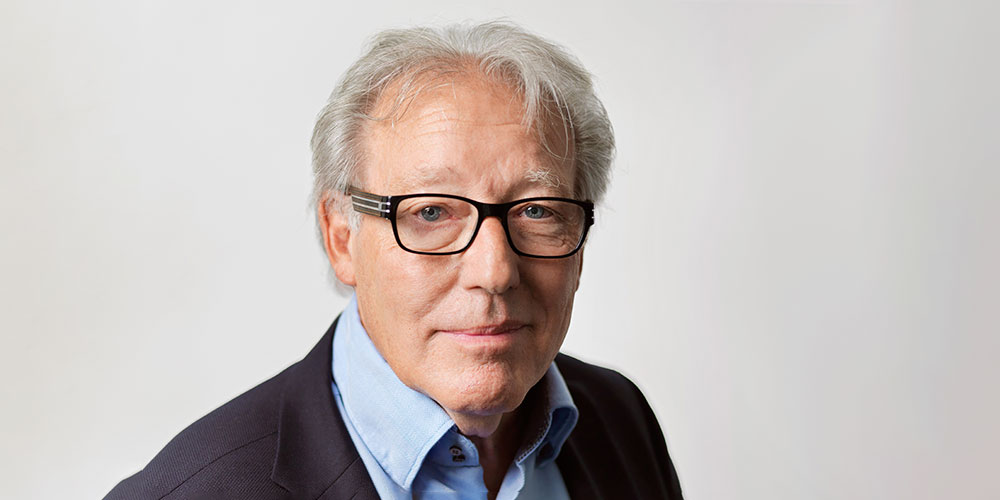
Professor Gerber has long advanced research and academic leadership at the University of Basel and across Switzerland’s nanoscale science ecosystem. As a co-inventor of AFM, he expanded the field from imaging to biosensing, pioneering the use of microcantilever arrays for label-free detection of interactions among DNA, proteins, and other biomolecules, thereby establishing mechanistic and translational foundations for immunosensing and mutation detection. His nanomechanical measurement paradigm has fostered deep cross-fertilization among physics, chemistry, and the life sciences, and has had a lasting influence on biomedical diagnostics and the standardization of nanotechnology.
- Global Collaboration and Academic Ecosystem
The Academicians of WAAC come from universities and research institutions such as Harvard University, the Massachusetts Institute of Technology, the University of Cambridge, the University of California, the French Academy of Sciences, the University of Padua, the University of Queensland, Columbia University, and the University of Exeter, among others. Honorary Academicians represent multiple countries and regions, including the United States, the United Kingdom, France, Germany, Italy, Sweden, Canada, Australia, Spain, and China. Additionally, leading scientists from renowned research institutions and technology companies—such as Google, the Allen Institute for Brain Science, and Zeekr—are also involved.
- About WAAC
The World Academy for Artificial Consciousness (https://www.waac.ac/) is a global academic institution established in Paris in 2025. Its mission is to advance frontier research and international collaboration in artificial consciousness through the integration of science, technology, and philosophy. The Academy publishes open research, policy recommendations, evaluation standards, and more. The current President is Academician Yucong Duan, and the Secretary-General is Dr. Yingbo Li. The Honorary Academician List: On May 3, 2025, WAAC released its first batch of Top 100 Honorary Academicians, recognizing scholars who have made foundational or leading contributions to the theory of artificial consciousness.
Read more
Professor Barbara J. Sahakian of the University of Cambridge Elected Academician of the World Academy for Artificial Consciousness (WAAC)
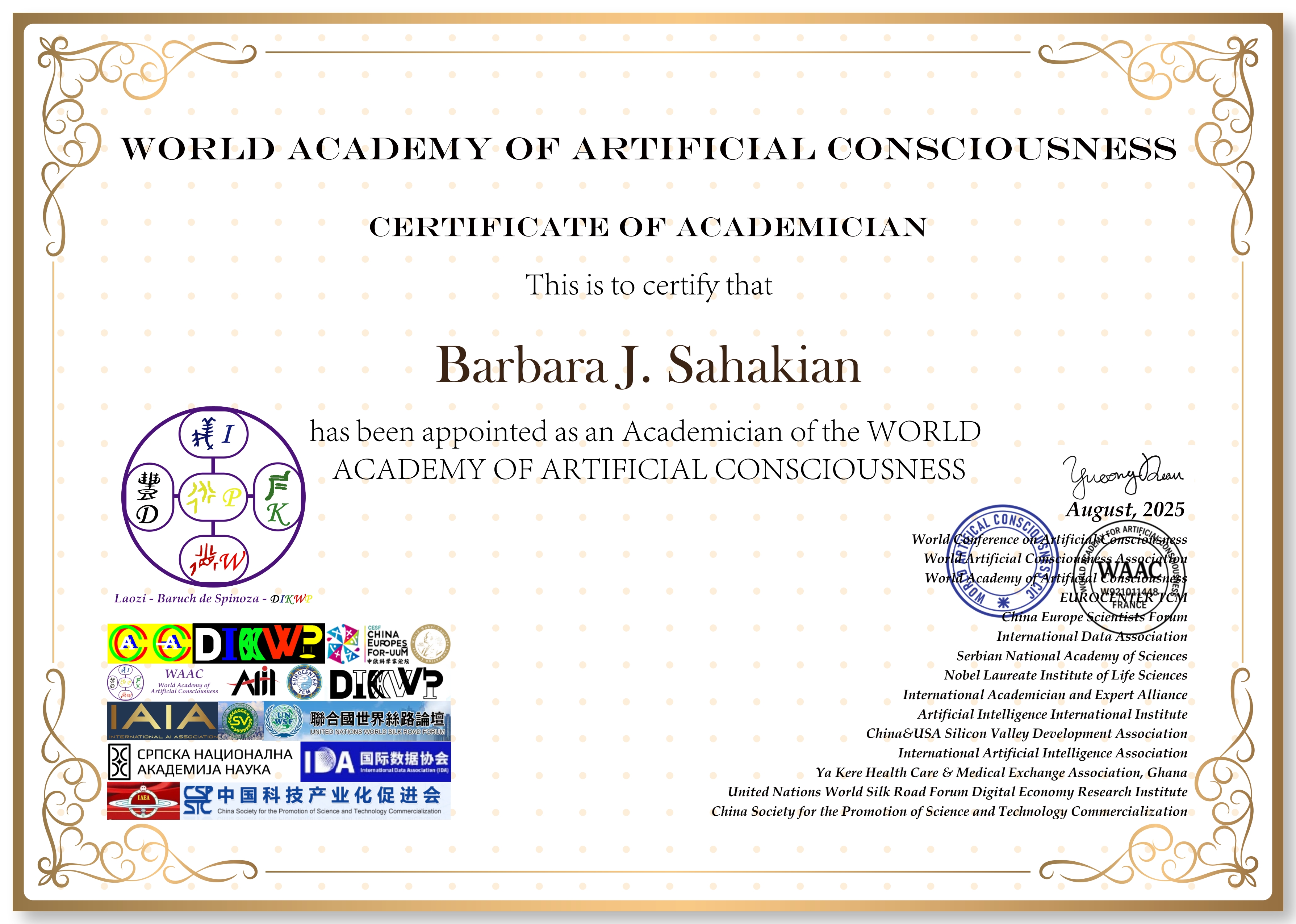
We are pleased to announce that Barbara J. Sahakian—Professor of Clinical Neuropsychology in the Department of Psychiatry at the University of Cambridge, Fellow of Clare Hall, and Honorary Consultant Clinical Psychologist at Addenbrooke’s Hospital—has been elected an Academician of the World Academy for Artificial Consciousness (WAAC), in recognition of her programmatic research and cross-disciplinary influence in cognitive enhancement and neuroethics, decision-making, and psychiatric disorders.
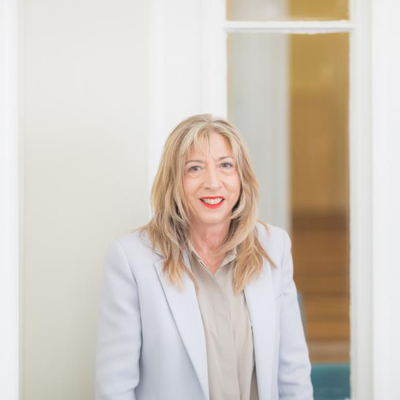
Professor Sahakian’s team pioneered randomized controlled trials evaluating the effects of modafinil and related agents on executive function and attention in healthy individuals, laying the evidential foundation and neuroethical framework for research on “smart drugs.” In collaboration with colleagues, she co-developed and disseminated the Cambridge Neuropsychological Test Automated Battery (CANTAB), advancing translation from basic science to clinical practice and public health (e.g., screening in primary care). Her work has long focused on early detection and intervention in depression, addiction, ADHD, and Alzheimer’s disease, producing sustained impact across the intersections of neuropsychology, neuroimaging, and psychopharmacology, while promoting responsible cognitive enhancement and brain health through neuroethics and public engagement.
- Global Collaboration and Academic Ecosystem
The Academicians of WAAC come from universities and research institutions such as Harvard University, the Massachusetts Institute of Technology, the University of Cambridge, the University of California, the French Academy of Sciences, the University of Padua, the University of Queensland, Columbia University, and the University of Exeter, among others. Honorary Academicians represent multiple countries and regions, including the United States, the United Kingdom, France, Germany, Italy, Sweden, Canada, Australia, Spain, and China. Additionally, leading scientists from renowned research institutions and technology companies—such as Google, the Allen Institute for Brain Science, and Zeekr—are also involved.
- About WAAC
The World Academy for Artificial Consciousness (https://www.waac.ac/) is a global academic institution established in Paris in 2025. Its mission is to advance frontier research and international collaboration in artificial consciousness through the integration of science, technology, and philosophy. The Academy publishes open research, policy recommendations, evaluation standards, and more. The current President is Academician Yucong Duan, and the Secretary-General is Dr. Yingbo Li. The Honorary Academician List: On May 3, 2025, WAAC released its first batch of Top 100 Honorary Academicians, recognizing scholars who have made foundational or leading contributions to the theory of artificial consciousness.
Read more
Professor Arnaud Delorme of CNRS / UC San Diego Elected Academician of the World Academy for Artificial Consciousness (WAAC)
_0.jpg)
We are pleased to announce that Arnaud Delorme—research lead at CerCo/UMR 5549, CNRS–Université Paul Sabatier (Toulouse III), and Senior Research Scientist at the Swartz Center for Computational Neuroscience (SCCN) / Institute for Neural Computation (INC), UC San Diego—has been elected an Academician of the World Academy for Artificial Consciousness (WAAC), in recognition of his programmatic contributions to EEG and meditation, consciousness-related oscillations, and closed-loop neurofeedback.
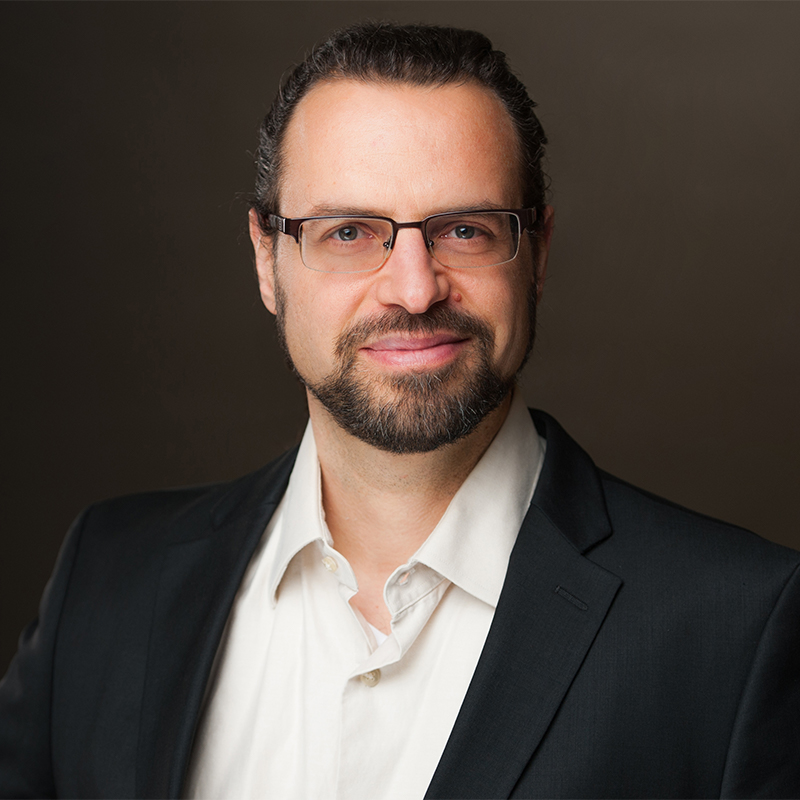
Delorme has long leveraged high-dimensional EEG and independent component analysis (ICA) to parse the dynamics of conscious states, establishing cross-laboratory, reproducible paradigms for the neural phenotypes of meditation and mind-wandering. His signature contribution is the open-source platform EEGLAB: together with Scott Makeig, his 2004 paper in the Journal of Neuroscience Methods set community standards for single-trial EEG dynamics and ICA, now widely used in neuroscience and clinical research. For general audiences, he authored Why Our Minds Wander, synthesizing the science of mind-wandering; the trajectory and methodological implications of his work have been widely covered by institutions and media including UCSF and UC San Diego.
- Global Collaboration and Academic Ecosystem
The Academicians of WAAC come from universities and research institutions such as Harvard University, the Massachusetts Institute of Technology, the University of Cambridge, the University of California, the French Academy of Sciences, the University of Padua, the University of Queensland, Columbia University, and the University of Exeter, among others. Honorary Academicians represent multiple countries and regions, including the United States, the United Kingdom, France, Germany, Italy, Sweden, Canada, Australia, Spain, and China. Additionally, leading scientists from renowned research institutions and technology companies—such as Google, the Allen Institute for Brain Science, and Zeekr—are also involved.
- About WAAC
The World Academy for Artificial Consciousness (https://www.waac.ac/) is a global academic institution established in Paris in 2025. Its mission is to advance frontier research and international collaboration in artificial consciousness through the integration of science, technology, and philosophy. The Academy publishes open research, policy recommendations, evaluation standards, and more. The current President is Academician Yucong Duan, and the Secretary-General is Dr. Yingbo Li. The Honorary Academician List: On May 3, 2025, WAAC released its first batch of Top 100 Honorary Academicians, recognizing scholars who have made foundational or leading contributions to the theory of artificial consciousness.
Read more
Professor Angela D. Friederici of the Max Planck Institute for Human Cognitive and Brain Sciences (MPI CBS) Elected Academician of the World Academy for Artificial Consciousness (WAAC)
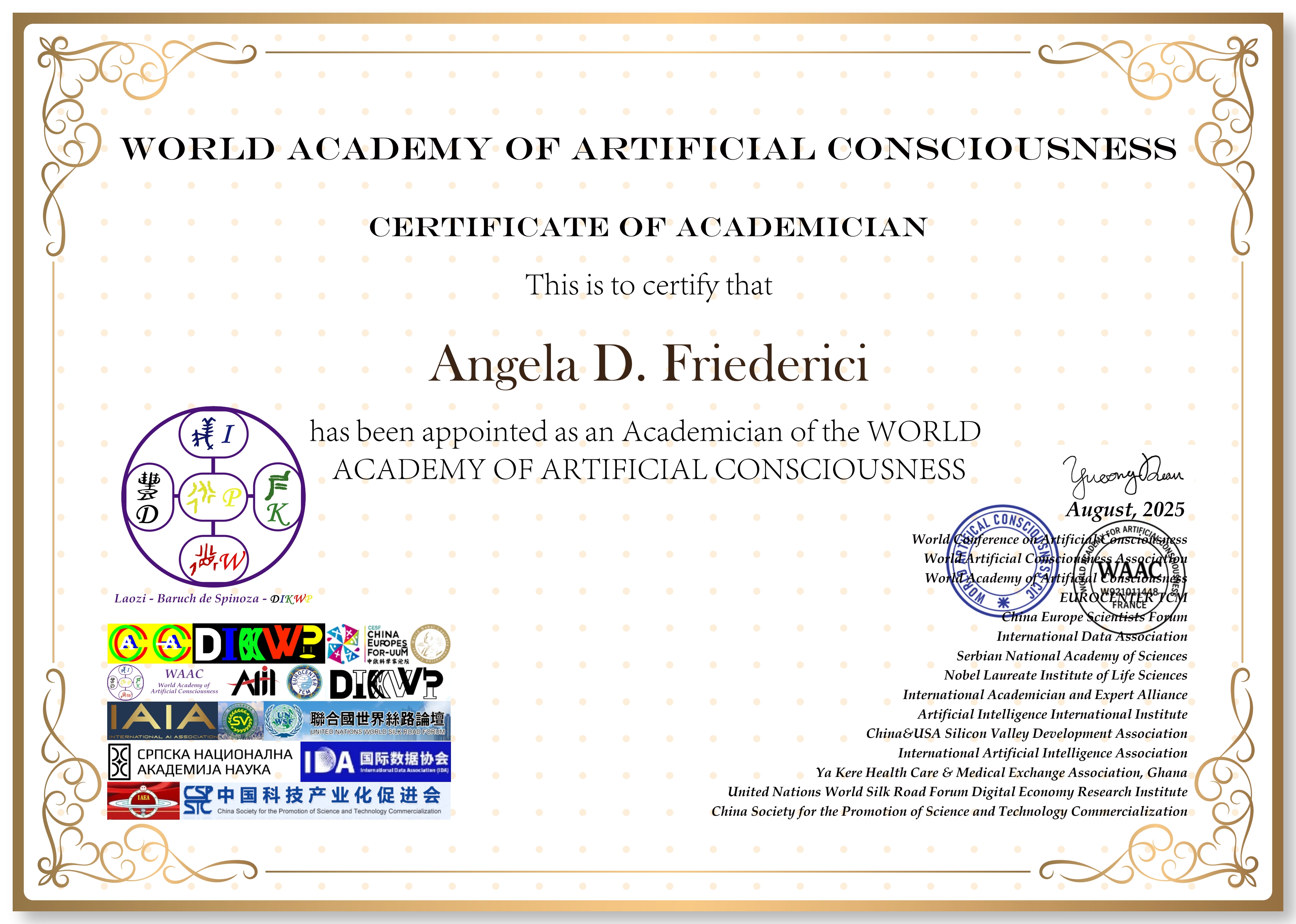
We are pleased to announce that Angela D. Friederici—Director and Founding Director of the Max Planck Institute for Human Cognitive and Brain Sciences (MPI CBS), Germany—has been elected an Academician of the World Academy for Artificial Consciousness (WAAC), in recognition of her foundational research on the neural bases of language processing and her cross-disciplinary impact.
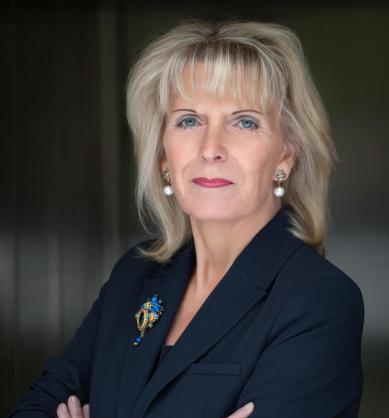
Professor Friederici has long led the Department of Neuropsychology at MPI CBS, integrating behavioral methods, ERP/MEG, and fMRI/structural connectivity to systematically chart the human language network and its developmental trajectory. Drawing on extensive reviews and empirical studies, she has proposed that the language network comprises at least two dorsal and two ventral pathways: the dorsal pathways subserve auditory–motor mapping and complex syntax, while the ventral pathways support semantic processing and basic syntax—a framework that has become a core model in neurolinguistics. Developmental research further shows that the ventral pathways are present at birth and mature earlier, whereas the dorsal pathway to the inferior frontal gyrus, associated with complex syntax, matures later—providing a biological basis for language acquisition and informing educational interventions.
- Global Collaboration and Academic Ecosystem
The Academicians of WAAC come from universities and research institutions such as Harvard University, the Massachusetts Institute of Technology, the University of Cambridge, the University of California, the French Academy of Sciences, the University of Padua, the University of Queensland, Columbia University, and the University of Exeter, among others. Honorary Academicians represent multiple countries and regions, including the United States, the United Kingdom, France, Germany, Italy, Sweden, Canada, Australia, Spain, and China. Additionally, leading scientists from renowned research institutions and technology companies—such as Google, the Allen Institute for Brain Science, and Zeekr—are also involved.
- About WAAC
The World Academy for Artificial Consciousness (https://www.waac.ac/) is a global academic institution established in Paris in 2025. Its mission is to advance frontier research and international collaboration in artificial consciousness through the integration of science, technology, and philosophy. The Academy publishes open research, policy recommendations, evaluation standards, and more. The current President is Academician Yucong Duan, and the Secretary-General is Dr. Yingbo Li. The Honorary Academician List: On May 3, 2025, WAAC released its first batch of Top 100 Honorary Academicians, recognizing scholars who have made foundational or leading contributions to the theory of artificial consciousness.
Read more
MIT Professor Li-Huei Tsai Elected Academician of the World Academy for Artificial Consciousness (WAAC)
_0.jpg)
We are pleased to announce that Li-Huei Tsai, Professor of Brain and Cognitive Sciences at MIT and Director of the Picower Institute for Learning and Memory, has been elected an Academician of the World Academy for Artificial Consciousness (WAAC) in recognition of her pioneering contributions to the mechanisms of Alzheimer’s disease and to 40 Hz gamma-rhythm sensory entrainment (GENUS).
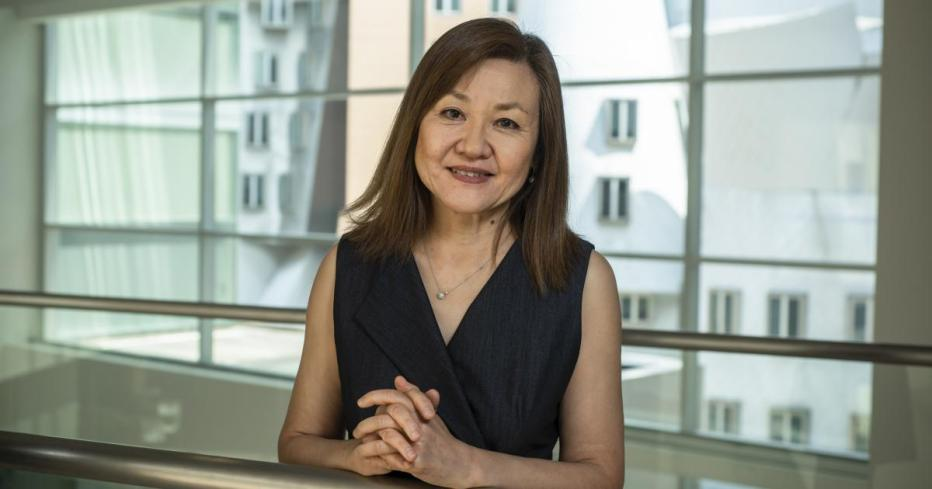
Drawing from neural-circuit and molecular perspectives, Prof. Tsai has elucidated how CDK5/p25 dysregulation, epigenetic regulation, and neuroinflammation shape memory and neurodegeneration, and she has advanced the strategy of modulating network rhythms through 40 Hz multisensory stimulation to improve cognition. Her work has had broad impact across neuroscience, brain–computer interfaces, and neuromorphic intelligence, offering new, testable avenues for computational mechanisms and evaluation frameworks relevant to machine consciousness.
- Global Collaboration and Academic Ecosystem
The Academicians of WAAC come from universities and research institutions such as Harvard University, the Massachusetts Institute of Technology, the University of Cambridge, the University of California, the French Academy of Sciences, the University of Padua, the University of Queensland, Columbia University, and the University of Exeter, among others. Honorary Academicians represent multiple countries and regions, including the United States, the United Kingdom, France, Germany, Italy, Sweden, Canada, Australia, Spain, and China. Additionally, leading scientists from renowned research institutions and technology companies—such as Google, the Allen Institute for Brain Science, and Zeekr—are also involved.
- About WAAC
The World Academy for Artificial Consciousness (https://www.waac.ac/) is a global academic institution established in Paris in 2025. Its mission is to advance frontier research and international collaboration in artificial consciousness through the integration of science, technology, and philosophy. The Academy publishes open research, policy recommendations, evaluation standards, and more. The current President is Academician Yucong Duan, and the Secretary-General is Dr. Yingbo Li. The Honorary Academician List: On May 3, 2025, WAAC released its first batch of Top 100 Honorary Academicians, recognizing scholars who have made foundational or leading contributions to the theory of artificial consciousness.
Read more
University of Padua Professor Lucia Regolin Elected Academician of the World Academy for Artificial Consciousness (WAAC)
_0.jpg)
We are pleased to announce that Lucia Regolin, Professor in the Department of General Psychology at the University of Padua and head of the Comparative Cognition Lab, has been elected as an Academician of the World Academy for Artificial Consciousness (WAAC) in recognition of her systematic contributions to animal consciousness and innate representations—particularly the number–space mapping and social/perceptual mechanisms elucidated using domestic chick models.

Professor Regolin is a tenured professor in the Department of General Psychology at the University of Padua, whose research has long focused on the origins of mind and comparative cognition. Regolin’s team and collaborators were the first to demonstrate in newly hatched chicks a human-like “mental number line”—with smaller numbers mapped to the left and larger numbers to the right—providing key evidence for an innate component of the number–space association (Science, 2015). Subsequent work further showed that this linkage is explained primarily by numerical magnitude rather than by individual spatial biases. These findings offer reproducible experimental paradigms for understanding nonverbal quantity representation and “consciousness-like” information selection.
- Global Collaboration and Academic Ecosystem
The Academicians of WAAC come from universities and research institutions such as Harvard University, the Massachusetts Institute of Technology, the University of Cambridge, the University of California, the French Academy of Sciences, the University of Padua, the University of Queensland, Columbia University, and the University of Exeter, among others. Honorary Academicians represent multiple countries and regions, including the United States, the United Kingdom, France, Germany, Italy, Sweden, Canada, Australia, Spain, and China. Additionally, leading scientists from renowned research institutions and technology companies—such as Google, the Allen Institute for Brain Science, and Zeekr—are also involved.
- About WAAC
The World Academy for Artificial Consciousness (https://www.waac.ac/) is a global academic institution established in Paris in 2025. Its mission is to advance frontier research and international collaboration in artificial consciousness through the integration of science, technology, and philosophy. The Academy publishes open research, policy recommendations, evaluation standards, and more. The current President is Academician Yucong Duan, and the Secretary-General is Dr. Yingbo Li. The Honorary Academician List: On May 3, 2025, WAAC released its first batch of Top 100 Honorary Academicians, recognizing scholars who have made foundational or leading contributions to the theory of artificial consciousness.
Read more
Professor Bruno van Swinderen of The University of Queensland (UQ) has been elected an Academician of the World Academy for Artificial Consciousness (WAAC)
_0.jpg)
We are pleased to announce that Bruno van Swinderen, Principal Research Fellow at the Queensland Brain Institute (QBI), The University of Queensland, and Head of the Drosophila Behaviour and Cognition Laboratory, has been elected an Academician of the World Academy for Artificial Consciousness (WAAC) in recognition of his systematic research on attention, sleep, and general anesthesia in the fruit-fly model and the inspiration his work has provided to consciousness science.
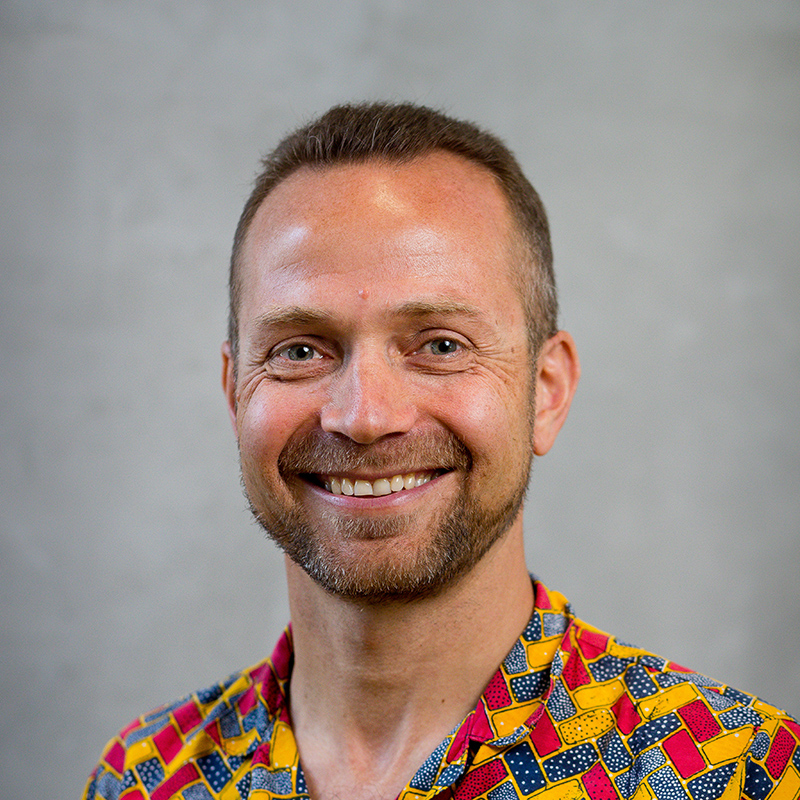
Van Swinderen’s team has long employed Drosophila as a model system, using quantifiable behavioral and neural phenotypes to build a cross-species, comparable framework of consciousness indicators and mechanisms. Representative contributions include establishing “attention–sleep–anesthesia” as three measurable endpoints for consciousness research; identifying a paradoxical/active sleep-like state in flies; demonstrating a direct coupling between sleep and selective attention; and linking computational consciousness metrics to fruit-fly anesthesia. These advances not only promote a unified understanding of arousal, attention, and sleep in neuroscience, but also lay the groundwork for cross-species, verifiable consciousness assessment systems and anesthetic targets, influencing methodological practice across fields such as brain–computer interfaces and neuromorphic intelligence.
- Global Collaboration and Academic Ecosystem
The Academicians of WAAC come from universities and research institutions such as Harvard University, the Massachusetts Institute of Technology, the University of Cambridge, the University of California, the French Academy of Sciences, the University of Padua, the University of Queensland, Columbia University, and the University of Exeter, among others. Honorary Academicians represent multiple countries and regions, including the United States, the United Kingdom, France, Germany, Italy, Sweden, Canada, Australia, Spain, and China. Additionally, leading scientists from renowned research institutions and technology companies—such as Google, the Allen Institute for Brain Science, and Zeekr—are also involved.
- About WAAC
The World Academy for Artificial Consciousness (https://www.waac.ac/) is a global academic institution established in Paris in 2025. Its mission is to advance frontier research and international collaboration in artificial consciousness through the integration of science, technology, and philosophy. The Academy publishes open research, policy recommendations, evaluation standards, and more. The current President is Academician Yucong Duan, and the Secretary-General is Dr. Yingbo Li. The Honorary Academician List: On May 3, 2025, WAAC released its first batch of Top 100 Honorary Academicians, recognizing scholars who have made foundational or leading contributions to the theory of artificial consciousness.
Read more
Professor Barbara Tversky of Teachers College, Columbia University, Elected Academician of the World Academy for Artificial Consciousness(WAAC)
_0.jpg)
We are pleased to announce that Professor Barbara Tversky—Professor of Psychology and Education at Teachers College, Columbia University, and Professor Emerita of Psychology at Stanford University—has been elected an Academician of the World Academy for Artificial Consciousness (WAAC), in recognition of her foundational contributions to spatial cognition, visual/gestural representation, and diagrammatic communication, as well as her sustained influence on cross-disciplinary methods in cognitive science.
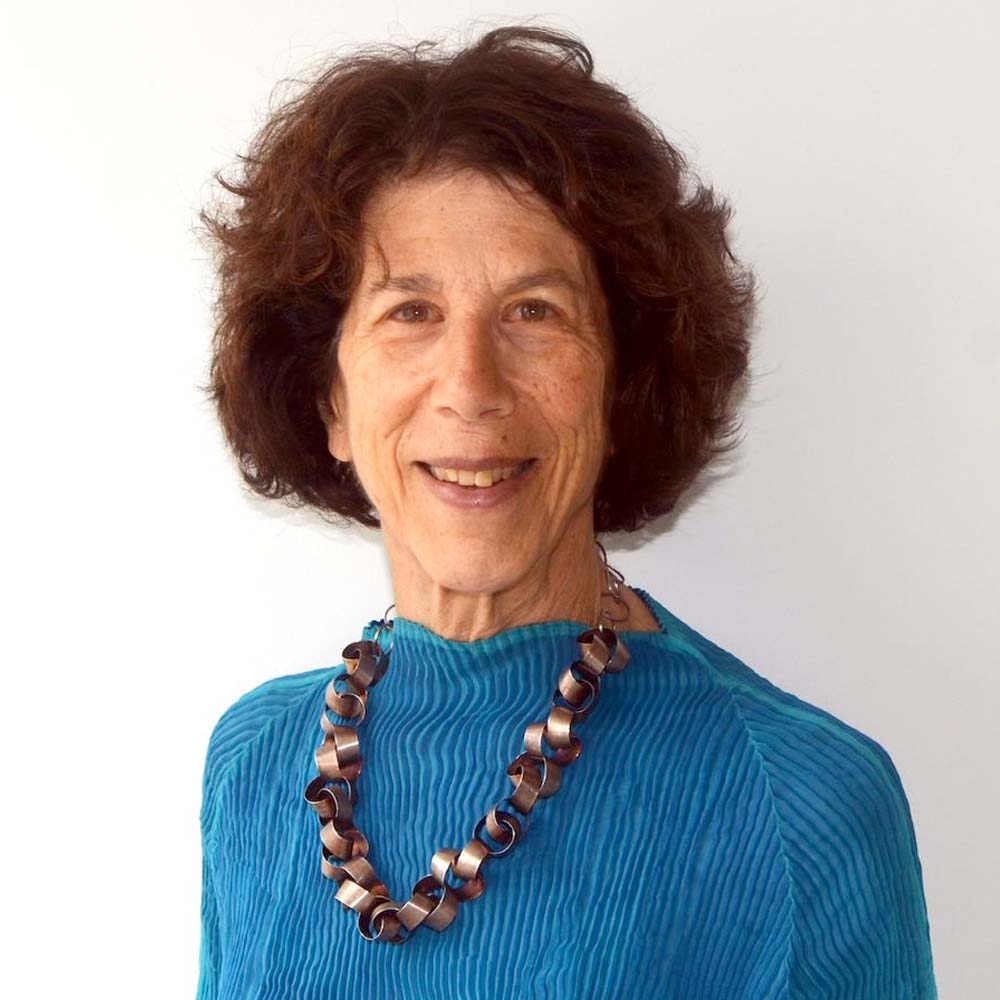
Barbara Tversky places spatial thinking at the foundation of cognition: in her monograph Mind in Motion: How Action Shapes Thought, she systematically argues for a pathway from action and space to thought, emphasizing that spatial cognition is not peripheral but the bedrock of higher cognition. She and her collaborators further show that diagrams and gestures are powerful “tools for thought,” externalizing and reorganizing mental representations through charts, sketches, and gesture to markedly facilitate explanation and reasoning. These contributions have advanced an integrated understanding linking space/action, language, and reasoning; provided robust evidence for methodologies in education, design, human–computer interaction, and visualization; and inspired new approaches to representing and assessing artificial consciousness.
- Global Collaboration and Academic Ecosystem
The Academicians of WAAC come from universities and research institutions such as Harvard University, the Massachusetts Institute of Technology, the University of Cambridge, the University of California, the French Academy of Sciences, the University of Padua, the University of Queensland, Columbia University, and the University of Exeter, among others. Honorary Academicians represent multiple countries and regions, including the United States, the United Kingdom, France, Germany, Italy, Sweden, Canada, Australia, Spain, and China. Additionally, leading scientists from renowned research institutions and technology companies—such as Google, the Allen Institute for Brain Science, and Zeekr—are also involved.
- About WAAC
The World Academy for Artificial Consciousness (https://www.waac.ac/) is a global academic institution established in Paris in 2025. Its mission is to advance frontier research and international collaboration in artificial consciousness through the integration of science, technology, and philosophy. The Academy publishes open research, policy recommendations, evaluation standards, and more. The current President is Academician Yucong Duan, and the Secretary-General is Dr. Yingbo Li. The Honorary Academician List: On May 3, 2025, WAAC released its first batch of Top 100 Honorary Academicians, recognizing scholars who have made foundational or leading contributions to the theory of artificial consciousness.
Read more
Professor Adam Zeman of the University of Exeter Elected Academician of the World Academy for Artificial Consciousness (WAAC)
_0.jpg)
We are pleased to announce that Adam Zeman—Professor of Cognitive and Behavioral Neurology at the University of Exeter Medical School and co-lead of The Eye’s Mind project on extreme imagery—has been elected an Academician of the World Academy for Artificial Consciousness (WAAC), in recognition of his foundational contributions to “aphantasia” and mental imagery, as well as to research on consciousness and autobiographical memory/transient epileptic amnesia (TEA).
In a 2015 paper in Cortex, Professor Zeman formally introduced the concept of aphantasia, catalyzing systematic research on the imagery continuum (including hyperphantasia) and its neural mechanisms. His team’s series of studies on the triad of transient epileptic amnesia (TEA), autobiographical memory impairment, and accelerated long-term forgetting (ALF) has provided pivotal evidence for both clinical practice and theoretical work on consciousness and memory.
- Global Collaboration and Academic Ecosystem
The Academicians of WAAC come from universities and research institutions such as Harvard University, the Massachusetts Institute of Technology, the University of Cambridge, the University of California, the French Academy of Sciences, the University of Padua, the University of Queensland, Columbia University, and the University of Exeter, among others. Honorary Academicians represent multiple countries and regions, including the United States, the United Kingdom, France, Germany, Italy, Sweden, Canada, Australia, Spain, and China. Additionally, leading scientists from renowned research institutions and technology companies—such as Google, the Allen Institute for Brain Science, and Zeekr—are also involved.
- About WAAC
The World Academy for Artificial Consciousness (https://www.waac.ac/) is a global academic institution established in Paris in 2025. Its mission is to advance frontier research and international collaboration in artificial consciousness through the integration of science, technology, and philosophy. The Academy publishes open research, policy recommendations, evaluation standards, and more. The current President is Academician Yucong Duan, and the Secretary-General is Dr. Yingbo Li. The Honorary Academician List: On May 3, 2025, WAAC released its first batch of Top 100 Honorary Academicians, recognizing scholars who have made foundational or leading contributions to the theory of artificial consciousness.
Read more
Professor Andrew Adamatzky of the University of the West of England (UWE Bristol) Elected Academician of the World Academy for Artificial Consciousness (WAAC)
_0.jpg)
We are pleased to announce that Andrew Adamatzky—Professor in the Faculty of Computer Science and Creative Technologies at UWE Bristol and Director of the Unconventional Computing Laboratory—has been elected an Academician of the World Academy for Artificial Consciousness (WAAC), in recognition of his pioneering work in unconventional computing, slime mould/fungal computing, and reaction–diffusion computing, as well as his sustained exploration of and insightful contributions to the search for computational markers of consciousness.
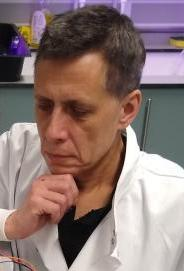
Professor Adamatzky has long led UWE Bristol’s unconventional computing team, focusing on the computational principles, architectures, and prototype implementations of “non-silicon” substrates such as chemical media, slime moulds, plants, and fungi. In recent years, he has opened a new line of inquiry into fungal computing and fungal machines, revealing the electrical activity and information-processing potential of fungal mycelial networks and proposing a systematic framework for “Fungal Machines.” This body of work offers fresh clues toward comparable consciousness indicators and interpretable computational mechanisms in natural systems, and provides methodological inspiration for verifiable evaluation in neuromorphic intelligence and brain–computer interfaces.
- Global Collaboration and Academic Ecosystem
The Academicians of WAAC come from universities and research institutions such as Harvard University, the Massachusetts Institute of Technology, the University of Cambridge, the University of California, the French Academy of Sciences, the University of Padua, the University of Queensland, Columbia University, and the University of Exeter, among others. Honorary Academicians represent multiple countries and regions, including the United States, the United Kingdom, France, Germany, Italy, Sweden, Canada, Australia, Spain, and China. Additionally, leading scientists from renowned research institutions and technology companies—such as Google, the Allen Institute for Brain Science, and Zeekr—are also involved.
- About WAAC
The World Academy for Artificial Consciousness (https://www.waac.ac/) is a global academic institution established in Paris in 2025. Its mission is to advance frontier research and international collaboration in artificial consciousness through the integration of science, technology, and philosophy. The Academy publishes open research, policy recommendations, evaluation standards, and more. The current President is Academician Yucong Duan, and the Secretary-General is Dr. Yingbo Li. The Honorary Academician List: On May 3, 2025, WAAC released its first batch of Top 100 Honorary Academicians, recognizing scholars who have made foundational or leading contributions to the theory of artificial consciousness.
Read more